
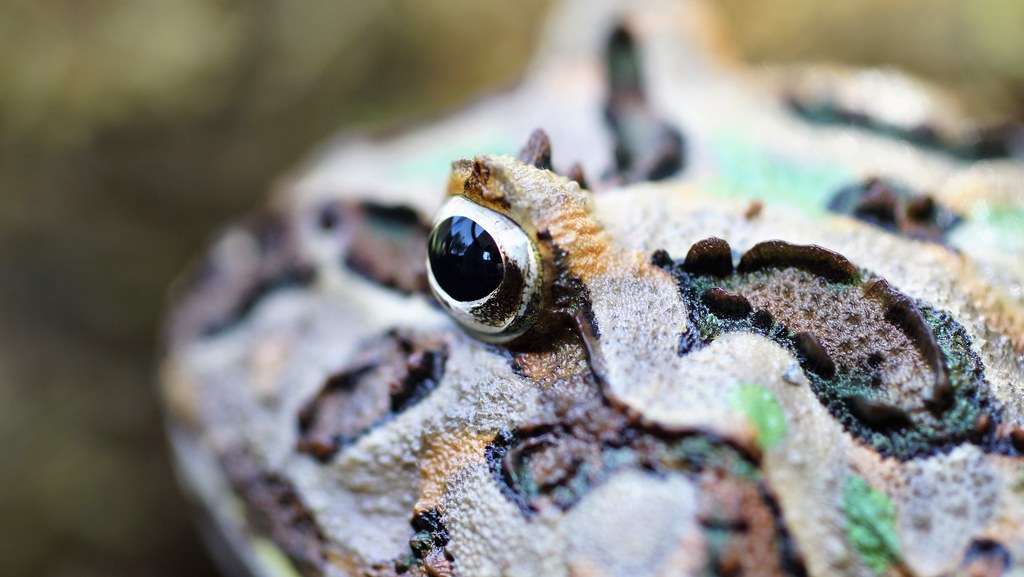
Ambush predators in the genus Ceratophrys, these stocky, ground-dwelling frogs need a humid, terrestrial setup with a deep, moisture-retaining substrate for burrowing, a shallow water dish, and stable warm temperatures. Enclosure size depends on species and adult size, but many keepers use 10–20 gallon tanks; aim for daytime temperatures around 75–85°F and maintain relative humidity near 60–80% with regular misting and substrate monitoring.
Diet should consist of appropriately sized live prey—crickets, roaches, earthworms—and, for larger adults, occasional pinky mice; juveniles require daily feedings while adults typically eat every 2–3 days. Dust prey with calcium and multivitamin supplements on a schedule, perform routine spot-cleaning and full substrate changes as needed, minimize handling to prevent stress and injury, and monitor for issues such as obesity, retained shed, or respiratory problems; seek an experienced amphibian veterinarian for persistent health concerns.
At a Glance
Stocky, terrestrial frogs in the genus Ceratophrys, commonly called Pacman frogs are kept for their distinctive appearance and sit-and-wait feeding behavior. They demand a humid, burrowable substrate, a shallow water dish, and a feeding routine centered on live prey sized to the frog.
Maintain stable warm temperatures and high humidity, minimize handling, and provide appropriately sized live food with supplementation to reduce common health issues.
| Species type | Frog (amphibian) |
|---|---|
| Adult size | 3–7 in (7.5–18 cm) |
| Lifespan | 6–10 years |
| Temperament |
|
| Activity pattern | Nocturnal |
| Diet type | Carnivore |
| Housing type | Terrestrial |
| Care difficulty | Intermediate |
| Beginner friendly | Yes, with research |
Quick Overview
Low-activity, terrestrial frogs suited to owners who can maintain warm, humid conditions and provide appropriately sized live prey. They appeal to keepers who prefer a display animal with minimal active roaming and limited handling.
Their sit-and-wait ambush feeding and sedentary nature most directly determine enclosure setup, feeding frequency, and handling limits. Owners should expect to manage deep moisture-retaining substrate for burrowing, routine supplementation of prey items, and monitoring for common issues such as retained shed or obesity; seek an experienced amphibian veterinarian for persistent concerns.
Care & Housing
Use a secure, terrestrial aquarium-style enclosure sized for the frog and its adult dimensions; many keepers use 10–20 gallon tanks depending on species and adult size. Provide deep, moisture-retaining substrate for burrowing (several inches), a shallow water dish for soaking, at least one hide, and minimal décor that allows the frog to remain mostly on the ground.
Get the environment right—temperature, humidity, substrate depth, and secure housing—before bringing a frog home. Maintain daytime temperatures around 75–85°F with a warmer side and a cooler side to allow thermoregulation; avoid excessive localized heat that dries the substrate. Keep relative humidity near 60–80% using regular misting and a moisture-retentive substrate and monitor with a hygrometer. Pacman frogs generally do not require strong UVB; provide a normal day–night photoperiod and low-level lighting if desired. Adjust setup for the specific subspecies and individual behavior and perform routine spot-cleaning with periodic full substrate changes as needed.
Feeding & Diet
Pacman frogs are carnivores that feed primarily on live invertebrates; larger adults may accept small vertebrate prey occasionally. Feeding frequency and prey selection should be matched to the frog’s age, size, and activity level.
Proper nutrition and supplementation greatly reduce the risk of common health issues and support long-term health.
- Main food items
- Crickets
- Roaches
- Earthworms
- Mealworms (occasional)
- Waxworms (treats)
- Pinky mice (occasionally for larger adults)
- Feeding frequency
- Juveniles: daily
- Adults: every 2–3 days
- Large adults: small vertebrate prey offered infrequently
- Prey sizing
- No wider than the frog’s head
- Adjust prey size as the frog grows
- Gut-loading and supplementation
- Gut-load feeder insects before offering
- Dust prey with calcium powder
- Use a reptile multivitamin per product or veterinarian guidance
- Foods to avoid
- Wild-caught insects (parasites, pesticides)
- Prey too large to swallow safely
- Frequent feeding of high-fat items such as pinkies or waxworms
- Toxic insects such as fireflies
Handling & Temperament
Pacman frogs are sedentary, solitary ambush predators with a calm, sit-and-wait temperament; they are primarily display animals rather than pets kept for handling. Most individuals tolerate handling poorly and can experience stress from frequent or rough handling.
Read the animal’s body language and respect its limits. Handle only when necessary for enclosure maintenance, health checks, or veterinary visits; keep interactions brief and calm, support the frog’s body with wet, clean hands, and avoid touching the face or applying pressure. Signs of stress include attempts to flee, refusal to eat, prolonged hiding, sudden activity changes, or skin damage; reduce handling and consult an experienced amphibian veterinarian if signs persist. Building tolerance focuses on minimizing handling, using feeding tools to avoid direct contact, and allowing the frog time to acclimate to its environment rather than forcing interaction.
Health & Lifespan
Average lifespan in captivity is commonly reported as about 6–10 years when properly cared for.
Locate an exotic veterinarian experienced with amphibians or reptiles before acquiring a Pacman frog. Maintain general health with regular enclosure cleaning, quarantine for new animals, routine monitoring of appetite and weight, and prompt attention to abnormal skin, breathing, or behavior.
- Obesity
- Retained shed
- Respiratory infections
- Internal parasites
- Bacterial and fungal skin infections
- Nutritional deficiencies (including metabolic bone disease)
Access to a reptile-specialist veterinarian greatly improves diagnostics, treatment options, and long-term outcomes.
Shedding & Skin Care
Retained shed can be a recurring issue for Pacman frogs and requires proactive humidity management and occasional intervention. Maintain a moisture-retentive substrate, regular misting, and a shallow water dish or damp hide to support complete ecdysis.
For stuck shed, offer a shallow lukewarm soak to loosen skin; gently pat or roll softened shed away with a damp cotton swab rather than pulling. Pay close attention to digits and the area around the eyes; if shed remains adhered or circulation to toes looks compromised, consult an experienced amphibian veterinarian promptly to avoid tissue damage or secondary infection.
Pros & Cons (Honest)
- Distinctive, compact display animal with sit-and-wait feeding behavior
- Often housed in modest enclosures (many keepers use 10–20 gallon tanks)
- Low handling needs
- Generally does not require strong UVB
- Can live about 6–10 years in captivity
- Requires live prey and routine supplementation
- Needs high humidity and deep, moisture-retentive substrate for burrowing
- Prone to retained shed, obesity, and respiratory issues if care lapses
- Not well suited to frequent handling; stress and injury risks
- Veterinary care is best from an amphibian-experienced exotic vet
Final Considerations
Best suited to keepers who can maintain a warm, humid, burrowable enclosure and who are comfortable providing appropriately sized live prey and routine supplementation. Best matches are owners who prioritize consistent enclosure maintenance and responsible feeding practices.
Those seeking a highly interactive, frequently handled pet or unwilling to arrange specialist veterinary care should reconsider; Pacman frogs are primarily display animals with specific humidity and dietary needs. Not recommended for owners who expect extensive handling or who will neglect substrate, humidity, or feeding requirements.