
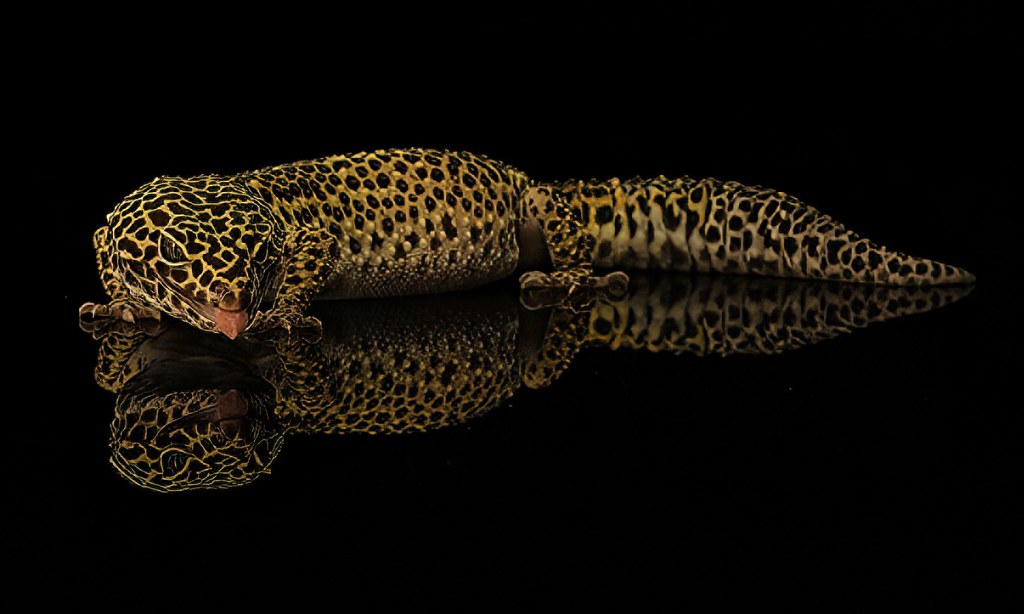
Ground-dwelling, nocturnal insectivores native to arid, rocky regions of South Asia and the Middle East, these geckos typically reach about 7–10 inches as adults and commonly live 10–20+ years in captivity. Their manageable size, docile temperament, and fat-storing tail make them a popular choice for dedicated keepers, but reliable husbandry—appropriate housing, temperature gradients, and nutrition—is essential for long-term health.
Core care essentials include a secure, ventilated enclosure with a thermal gradient (warm hide/area ~88–90°F, cool side ~75–80°F), generally low ambient humidity (around 30–40%) with at least one moist hide to aid shedding, and a substrate that minimizes impaction risk (paper towels, reptile carpet, or tile are recommended; avoid loose sand for juveniles). Feed gut‑loaded insects (crickets, roaches, appropriately sized mealworms/alternatives) dusted with calcium and periodic multivitamin; provide fresh water, multiple hides, and gentle, infrequent handling to reduce stress. Requirements vary by age, morph, and individual—juveniles need more frequent feeding and slightly higher humidity—so tailor care to the animal’s condition and consult experienced sources or a reptile veterinarian for health issues.
At a Glance
Leopard geckos are small, ground-dwelling insectivores commonly kept for their manageable size and generally calm disposition.
They need a terrestrial enclosure with a clear thermal gradient, a moist hide to assist shedding, and a diet of appropriately sized, gut‑loaded insects supplemented with calcium.
| Species type | Eublepharis macularius |
|---|---|
| Adult size |
|
| Lifespan | 10–20+ years |
| Temperament |
|
| Activity pattern | Nocturnal |
| Diet type | Insectivore |
| Housing type | Terrestrial |
| Care difficulty | Beginner |
| Beginner friendly | Yes, with research |
Quick Overview
Leopard geckos are small, terrestrial insectivores that fit owners seeking a relatively manageable, long‑lived companion with a generally calm disposition and modest space needs. They attract keepers who want predictable behavior, a variety of color morphs, and a species that usually tolerates gentle, infrequent handling when properly socialized.
Their most defining trait as pets is a typically docile, handleable nature paired with a thick, fat‑storing tail that helps indicate overall condition. Responsible care includes providing a clear thermal gradient (warm side about 88–90°F, cool side about 75–80°F), a terrestrial enclosure with secure hides and a moist hide to aid shedding, and a diet of appropriately sized, gut‑loaded insects with regular calcium supplementation; juveniles need more frequent feeding. Prospective owners should plan for a long commitment—many live 10–20+ years—and be prepared to seek experienced guidance or veterinary care for husbandry or health issues.
Care & Housing
Provide a secure, well-ventilated terrestrial enclosure with multiple hides and a clear thermal gradient. Minimum housing commonly recommended for a single adult is a 20-gallon long style (roughly 30 x 12 inches) or larger; juveniles may be housed in smaller enclosures temporarily but need frequent upgrades as they grow.
Get the environment right before bringing the animal home — a proper enclosure, thermal gradient, appropriate substrate, and hides reduce stress and basic health risks.
Use low-risk substrates such as paper towels, reptile carpet, or tile and avoid loose, ingestible substrates (especially for juveniles) to reduce impaction risk. Provide at least two hides (warm and cool) plus a moist hide to aid shedding. Aim for a thermal gradient with a warm hide/area around 88-90°F and a cool side around 75-80°F; heat can be provided by an under-tank heating pad or regulated overhead heater, and all heating should be run from a thermostat. Leopard geckos are primarily nocturnal and do not require strong visible light; a consistent day/night cycle is important and low-level UVB is optional and may be beneficial for some keepers. Maintain generally low ambient humidity (around 30-40%) while keeping the moist hide damp enough to assist shedding.
Feeding & Diet
Leopard geckos are insectivores that eat live invertebrates; a varied, appropriately sized selection of feeder insects supports growth and health across life stages.
Proper nutrition and regular supplementation play a central role in preventing metabolic bone disease and supporting long-term health.
- Main food items
- Crickets
- Dubia roaches
- Mealworms (part of a varied diet)
- Superworms (adults only)
- Waxworms (treats only)
- Feeding frequency
- Juveniles: daily
- Adults: every other day to several times per week
- Prey sizing
- No wider than the space between the gecko’s eyes
- Gut-loading and supplementation
- Gut-load feeder insects before offering
- Dust with calcium powder (juveniles: at every feeding; adults: regularly)
- Provide a multivitamin supplement periodically (for example, weekly)
- Foods to avoid
- Wild-caught insects
- Fireflies and other toxic arthropods
- Feeding fatty foods regularly (waxworms as occasional treats only)
Handling & Temperament
Leopard geckos are generally calm and can become tolerant of handling, but individuals vary and juveniles are often more skittish. Handle gently, support the body and avoid grabbing or restraining the tail; many geckos will tolerate short, supervised sessions but may not enjoy prolonged handling.
Read the animal’s body language and respect its limits. Begin with short sessions (a few minutes) several times per week and increase duration as the gecko shows calm behavior; avoid handling during shedding, immediately after feeding, or when the animal is hiding or showing stress. Watch for signs of discomfort such as prolonged fleeing, repeated attempts to hide, defensive biting, or tail twitching and be prepared to return the gecko to its enclosure to reduce stress and build trust over time.
Health & Lifespan
Leopard geckos typically live 10–20+ years in captivity when provided consistent, appropriate husbandry.
Find an exotic veterinarian experienced with reptiles before acquiring a gecko and maintain preventive care: regular wellness checks, quarantine new animals, promptly clean and disinfect enclosures, and monitor weight, appetite, shedding, and fecal output for changes that warrant veterinary attention.
- Metabolic bone disease (calcium deficiency)
- Impaction from ingesting substrate or large prey
- Internal parasites
- Respiratory infections
- Shedding problems (retained shed)
- Mouth rot (stomatitis)
Reptile‑specialist veterinary care is invaluable for accurate diagnosis and effective treatment of common and serious conditions.
Tail Autotomy & Fat‑Tail Health
The tail is a primary fat reserve and a visible health indicator for leopard geckos; a thick tail generally signals good condition while a thin or shrunken tail can indicate underfeeding, illness, or stress. Tail autotomy (dropping the tail) is a defensive response; tails commonly regenerate but the new tail differs in shape and coloration and will not be identical to the original.
Maintain tail health by providing consistent nutrition and appropriate husbandry, monitoring tail size regularly, and avoiding handling or restraining the tail. If autotomy occurs, keep the gecko warm, hydrated, and in a clean enclosure and consult a reptile‑experienced veterinarian for wounds that bleed excessively, show signs of infection, or when the animal is weak; do not delay seeking veterinary care for severe cases.
Pros & Cons (Honest)
- Manageable size and generally calm temperament, suitable for small enclosures
- Relatively low daily maintenance compared with many reptiles
- Long lifespan for a small pet, rewarding long-term companionship
- Variety of color morphs and observable behaviors
- Tolerant of gentle handling when properly socialized
- Requires precise thermal gradient and hides to prevent health problems
- Nocturnal activity may limit daytime interaction
- Susceptible to metabolic bone disease without proper diet and supplementation
- Impaction risk if fed improper substrate or oversized prey
- Tail autotomy and related stress or injury risk if mishandled
Final Considerations
Leopard geckos suit owners seeking a relatively quiet, long‑term companion who can provide a stable terrestrial setup, a steady supply of appropriately sized feeder insects, and consistent hiding spots and temperature gradients. They reward steady, informed care and are often suitable for responsible beginners willing to commit to research and proper husbandry.
Prospective keepers who want a highly interactive, daytime pet, who cannot manage live‑feeder maintenance, or who are unable to maintain a proper thermal gradient and hides should reconsider. Not recommended for people unwilling to invest in ongoing husbandry, regular feeding, or access to reptile‑experienced veterinary resources.