
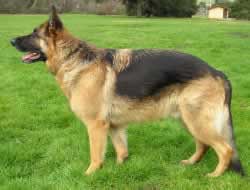
Versatile worker and service dog noted for bravery and intelligence, this breed combines hallmark K9 capability with a surprisingly mushy nature at home. Loyal and quick-thinking, these dogs often prefer an all-day hike to a movie marathon and thrive when given a clear purpose—excelling in police work, search and rescue, guiding, or scent sports while remaining devoted family companions.
Expect high energy and sharp intelligence: plan on two to three hours daily of physical and mental activity, consistent positive-reinforcement training, and early socialization. Grooming calls for regular brushing of the medium-length double coat, attention to sensitive skin and digestion when selecting food, and routine dental, ear, and nail care; with ample space, stimulation, and structure, they commonly live well beyond ten years.
At a Glance
Originating as a herding and working dog, the German Shepherd Dog combines endurance, strong scenting ability, and adaptability across service roles. These intelligent, driven dogs need clear purpose and regular outlets for both physical and mental energy to be well balanced.
| Breed group | Pastoral |
|---|---|
| Height | 22–26 in (55–66 cm) |
| Weight | 50–90 lb (23–41 kg) |
| Lifespan | Over 10 years |
| Temperament |
|
| Energy level | High — 2–3 hours daily |
| Trainability | High — responds to consistent positive reinforcement |
| Shedding | Yes — heavy seasonal shedding |
| Grooming needs | High — daily brushing during heavy shedding, regular maintenance |
| Good with children | Often good with children if socialized and trained |
| Apartment suitability | Possible with daily high exercise and mental stimulation, large home preferred |
Quick Overview
Versatile and alert, the German Shepherd Dog blends working-dog drive with a surprisingly soft side at home, making them valuable in police, service, and search roles while remaining devoted family companions.
Bright, hardworking, and fiercely loyal, the German Shepherd often flourishes when given clear purpose, consistent training, and plenty of outlets for energy. Their intelligence and sensitivity respond well to structured positive-reinforcement training and early socialization. Regular grooming and active outings help keep them balanced and content.
Temperament & Personality
German Shepherd Dogs are intelligent, driven companions that balance a high work ethic with a playful, affectionate side at home. They often thrive when asked to focus on tasks that engage both body and mind.
These dogs tend to be loyal and protective of their family yet can be reserved around strangers, so early, supervised socialization shapes how they greet new people and animals. Early, consistent positive-reinforcement training helps them grow into confident, well-mannered adults.
German Shepherds are expressive and communicative—prone to barking when bored and quick to alert their household to changes—while puppies may be mouthy during teething. Without regular physical activity and mental stimulation, they can become restless or develop nuisance behaviors.
Family Life: Kids, Dogs & Other Pets
German Shepherd Dogs often do well with children when raised with consistent training, early socialization, and clear boundaries; supervised visits and age-appropriate teaching for kids help foster safe interactions. They can be enthusiastic playmates but may be mouthy as puppies and should be matched with children who understand how to interact respectfully with a large, strong dog.
When properly socialized, many German Shepherds get along with other dogs, though gradual introductions and monitored interactions are important to establish good behavior. Living with cats or small pets is possible with careful, slow introductions and ongoing supervision, especially while the dog’s impulse control and recall are being reinforced.
Exercise & Mental Stimulation
Active and intelligent, German Shepherds do best with routines that combine physical exercise and mental challenge. They typically need two to three hours daily of physical and mental activity to stay balanced.
Mental and physical engagement help direct their intelligence into constructive behavior and keep them content.
- Long, varied walks and scent-focused sniffing outings to satisfy tracking instincts
- Fetch and retrieval games with durable toys to reinforce recall and burn energy
- Structured obedience sessions and canine sports like agility, tracking, or herding for focused work
- Puzzle toys and food-dispensing challenges to promote problem-solving
- Hiking, swimming, or supervised off-leash play in a secure area for variety and endurance
Training & Handling
German Shepherds are highly trainable and eager to engage with tasks that stimulate their intelligence. They respond well to consistent positive reinforcement using treats, toys, and praise; early socialization and structured obedience build reliable manners and reduce uncertainty around strangers.
Handling considerations include strong jaws and a propensity for mouthiness as puppies, so teaching bite inhibition and appropriate play is important. Keep training sessions short and varied to maintain focus, proof behaviors in different settings, and prioritize reliable recall and leash manners since these dogs may bolt toward an interesting scent or distraction.
- Begin socialization and basic obedience early using positive-reinforcement methods
- Use short, frequent training sessions with high-value rewards to maintain engagement
- Teach bite inhibition and appropriate toy play during the puppy months
- Practice recall and leash skills in progressively distracting environments
- Pair training with physical exercise to improve focus and reduce unwanted behavior
Grooming, Shedding & Drool
A dense double coat and seasonal blowouts mean grooming is a routine part of owning a German Shepherd. Regular brushing, periodic baths, and attention to dental and ear care help keep skin and coat healthy while managing shedding.
| Coat type | Medium-length double coat |
|---|---|
| Shedding level | Heavy seasonal shedding |
| Grooming frequency | High — daily brushing during heavy shedding |
| Bathing | Every 3–4 months or as needed |
| Nail trimming | Monthly |
| Ear care | Check regularly for redness or odor, clean per vet guidance |
| Teeth brushing |
|
| Drooling | Typically minimal |
Health & Lifespan
Typical lifespan: Over 10 years.
Responsible care includes routine veterinary checkups, maintaining a healthy weight through appropriate feeding and exercise, regular dental and ear care, and keeping vaccinations and parasite prevention up to date. A balanced diet that accounts for sensitive skin and digestion, along with consistent activity and mental enrichment, supports long-term wellbeing.
- Digestive upset
- Skin sensitivity
Choose breeders or rescues that prioritize health screening, clear socialization practices, and transparent history to improve the chances of a healthy, well-adjusted dog.
Ideal Home Setup
These dogs suit homes where they have room to move and a routine that supplies regular purpose and exercise; a large house with a big garden aligns well with their size and energy needs, though they can adapt to smaller homes if owners commit to daily physical and mental activity. Owners should be prepared for consistent grooming and seasonal heavy shedding and to provide structured outings and training to channel drive and intelligence.
Noise and alertness are part of the breed’s profile—German Shepherds often vocalize when bored or to signal changes in their environment—so households with close neighbors should plan for enrichment and training that reduce nuisance barking. While they tolerate cool weather, they shouldn’t be left outdoors for long periods, and an owner lifestyle that includes active, predictable time for exercise, socialization, and hands-on handling will best support a balanced, content dog.
Pros & Cons (Honest)
- Versatile worker and service dog with strong instincts for police, search, and assistance roles
- Highly intelligent and quick to learn with consistent positive-reinforcement training
- Loyal and protective, forming strong family bonds
- Thrives on activity and mental challenges, enjoys hiking and canine sports
- Adaptable to many roles when given clear purpose
- High exercise and mental stimulation needs — plan on two to three hours daily
- Heavy seasonal shedding and substantial grooming commitment
- May be reserved with strangers and requires early, ongoing socialization
- Puppy mouthiness and strong jaws demand consistent training
- Can develop restlessness or nuisance behaviors if under-stimulated
Final Considerations
Active households, owners who enjoy training and canine sports, and families prepared to provide consistent socialization and grooming often find a German Shepherd rewarding and reliable. Best for active owners who can provide daily structured exercise, mental work, and consistent training.
Those with very limited time for exercise, owners seeking a low-maintenance lap dog, and households unable to commit to early socialization may want to research alternatives. Those seeking a low-energy, low-maintenance companion may want to consider a different breed.