
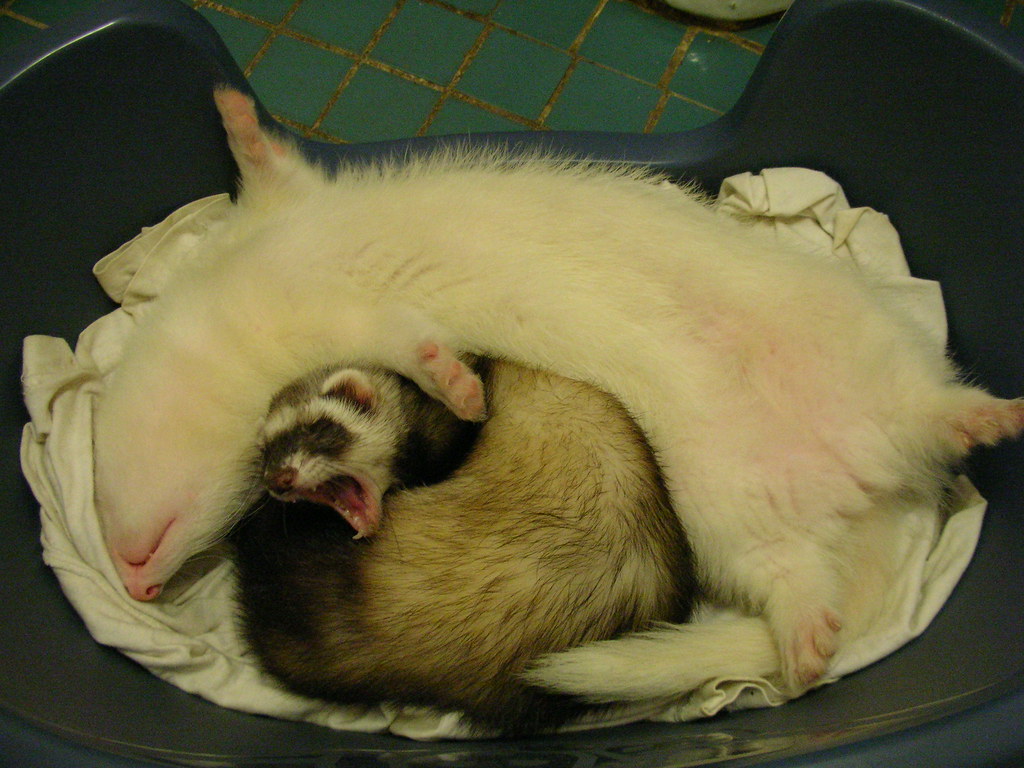
Mustela putorius furo is the domesticated mustelid commonly kept as a companion animal: curious, social, and crepuscular. These small carnivores benefit from regular interaction and mental stimulation; life expectancy in home care typically falls around 6–10 years, though genetics and husbandry cause wide variation.
Practical care priorities are clear: a high‑protein diet formulated for obligate carnivores, secure multi-level housing with bedding and hiding spots, daily supervised out-of-cage exercise, and routine veterinary care for vaccinations, parasite control, and elective sterilization. Focus on housing, enrichment, nutrition, and preventive healthcare, and tailor routines to the individual’s behavior and medical needs since requirements vary between animals.
At a Glance
Domesticated mustelids kept as companion animals, ferrets are energetic and inquisitive pets that need regular interaction. They require specialized care including a high‑protein carnivorous diet, secure multi‑level housing, and daily supervised out‑of‑cage exercise. Preventive veterinary care, enrichment, and attention to individual behavior are important because needs vary between animals.
| Species type | Domesticated mustelid |
|---|---|
| Adult size |
|
| Lifespan | 6–10 years |
| Temperament | Curious, playful, mischievous |
| Activity pattern | Crepuscular |
| Diet type | Carnivore |
| Housing type | Cage, multi-level |
| Social needs | Pairs Recommended, benefit from play partners |
| Care difficulty | Intermediate |
| Beginner friendly | Depends on commitment level |
Quick Overview
Best suited for owners who can commit daily interaction, supervised playtime, and a ferret‑proofed living space. Ferrets appeal to people who want an active, hands‑on companion that is entertaining and social while requiring consistent care.
Curious, energetic, and social, ferrets typically do best with regular interaction and enrichment. They require a specialized high‑protein carnivore diet, secure multi‑level housing with bedding and hiding spots, daily supervised out‑of‑cage exercise, and routine veterinary care, and individual needs vary so prospective owners should plan for time and expense.
Housing & Environment
Provide a secure, multi-level enclosure or a well-managed free-roam arrangement with a dedicated cage base for rest and confinement when unsupervised; cages should offer climbing and sleeping areas, solid floors, and secure latches. For bedding and sleeping spots use washable fleece, towels, or paper-based substrates and include multiple hiding spots and hammocks; avoid cedar or aromatic pine shavings and other strongly scented bedding.
Adequate space and daily enrichment are essential for physical and mental health. Keep the environment cool and well ventilated and avoid high heat and humidity; ferrets are prone to heat stress. Enrichment should include tunnels, boxes, interactive toys, digging or foraging opportunities, and supervised out-of-cage exercise in a ferret‑proofed area. Maintain hygiene with daily spot cleaning of litter and soiled bedding plus regular full cleanings and laundering of fabrics; litter training and routine cleaning reduce odor and help health monitoring.
Feeding & Diet
Ferrets are obligate carnivores that need animal‑based proteins and fats with minimal carbohydrates. Diets should prioritize meat-first ingredients and avoid high-fiber or sugary formulations.
Proper nutrition supports overall health and can influence lifespan and disease risk.
- Main food items
- Commercial ferret kibble with meat as the primary ingredient
- High-quality, poultry-based kitten or cat kibble as a short-term substitute
- Treats and extras
- Meat-based treats and freeze-dried meat
- Small amounts of cooked plain egg or cooked plain meat
- Feeding frequency
- Free-choice access to appropriate dry kibble for many adult ferrets
- Multiple small meals daily for individuals needing portion control
- Foods to avoid
- Sugary foods and treats including fruits and human sweets
- Dairy products and high-fiber plant-based foods
- Dog food and grain-heavy diets; chocolate and caffeine
Handling & Temperament
Ferrets are social, curious, and playful animals that often tolerate and enjoy regular interaction, though individual tolerance for handling varies. Owners should plan for daily short handling and supervised out‑of‑cage play; approach calmly, allow the ferret to investigate, then lift by supporting the chest and hindquarters with two hands, never by the tail, and avoid tight squeezing.
Read the animal’s body language and respect its limits. Signs of stress include hissing, stiff or tense posture, frantic struggling, flattened ears, retreating to hiding spots, or repeated nipping; reduce handling and resume short, positive sessions using treats and gentle handling to rebuild trust. Consistent routines, predictable handlers, and gradual exposure help most ferrets become comfortable with handling over time.
Health & Lifespan
Ferrets typically live 6–10 years in home care, though genetics and husbandry can cause substantial variation between individuals.
Responsible care involves regular veterinary checkups with a clinician experienced in exotic and small mammal medicine, keeping the enclosure clean and secure, feeding a species-appropriate high‑protein carnivore diet, and monitoring behavior, appetite, and toileting for early signs of illness.
- Adrenal disease
- Insulinoma (pancreatic tumor)
- Lymphoma
- Dental disease
Locate a veterinarian experienced with small mammals before acquiring a ferret.
Pros & Cons (Honest)
- Social, playful, and engaging companions
- Entertaining, curious behavior encourages interactive play
- Compact size suitable for many homes with proper supervision
- Can be litter trained to reduce cleaning burden
- Relatively long lifespan for a small pet (6–10 years)
- Distinct musky odor that some owners find objectionable
- High energy and curiosity require daily supervised out-of-cage time
- Need extensive ferret-proofing to prevent escapes and injury
- Require veterinary care from clinicians experienced with exotic mammals
- Prone to several serious health conditions that may need ongoing treatment
Final Considerations
Suitable for owners who can provide daily interaction, supervised out-of-cage time, and a consistently enriched, ferret‑proofed environment. Best suited for people willing to commit time, enrichment, and the ongoing costs of specialized care.
Not ideal for those seeking a low‑maintenance or highly sedentary pet, or for households unable to manage musky odor or rigorous ferret‑proofing. Prospective owners should evaluate time, space, and access to experienced veterinary care before deciding.