
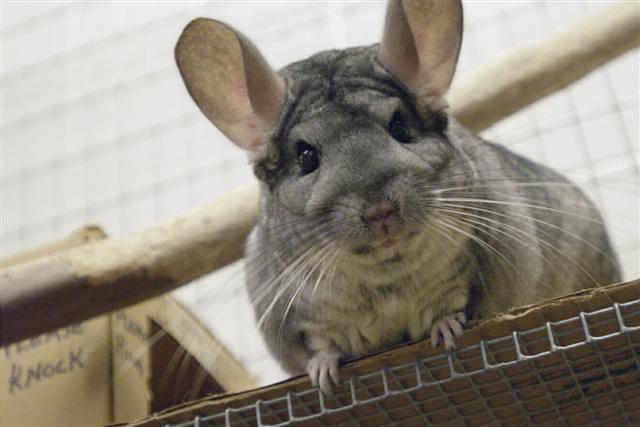
Small, crepuscular rodents with exceptionally dense fur, these animals are long-lived and active, making them a commitment for dedicated keepers. Typical lifespan is about 10–20 years; they are social and benefit from regular mental and physical enrichment, but require a cool, dry environment, frequent dry dust baths, and careful monitoring for dental and heat-related issues.
Core care priorities include a spacious, well-ventilated multi-level enclosure with solid flooring and chew-resistant materials; a diet based on high-quality timothy hay and species-specific pellets with limited treats; constant access to fresh water; and supervised out-of-cage exercise. Provide dust baths several times weekly (never water baths), maintain ambient temperatures on the cooler side, arrange veterinary dental checks as needed, and introduce companions carefully—individual needs and tolerances vary, so adjust housing, diet, and handling to the animal’s health and temperament.
At a Glance
A compact, crepuscular rodent prized for exceptionally dense fur and lively behavior, commonly kept by owners who can meet specific temperature and grooming needs.
Key care needs include a cool, dry, well-ventilated multi-level cage, a hay-centered diet with species-specific pellets, regular dry dust baths, and monitoring for dental and heat-related problems.
| Species type | Rodent |
|---|---|
| Adult size | 9-14 in (23-35 cm), 400-600 g |
| Lifespan | 10-20 years |
| Temperament | Social, active, skittish, curious |
| Activity pattern | Crepuscular |
| Diet type | Herbivore |
| Housing type | Cage (multi-level) |
| Social needs | Pairs Recommended, careful introductions |
| Care difficulty | Intermediate |
| Beginner friendly | Depends on commitment level |
Quick Overview
Chinchillas are small, crepuscular rodents known for exceptionally dense fur and lively, inquisitive behavior. They suit owners prepared for a long-term commitment who can provide daily enrichment, social interaction, and careful handling.
Their dense fur and need for frequent dry dust baths are among the most defining care considerations for this species. Owners should provide a cool, dry, well-ventilated multi-level enclosure with solid flooring, a hay-centered diet with timothy hay and species-specific pellets, regular dust baths rather than water baths, and monitoring for dental and heat-related issues. Social housing and supervised exercise are beneficial but require careful introductions and ongoing management.
Housing & Environment
Provide a tall, well-ventilated multi-level enclosure with solid flooring and chew-resistant construction; chinchillas benefit from vertical space to hop and climb and are not ideal for unsupervised free-roaming unless the area is thoroughly chinchilla-proofed. Use dust-free, absorbent bedding and include multiple hiding spots and sturdy platforms; avoid aromatic woods such as cedar and pine for bedding or housing components.
Adequate space and regular enrichment are essential for this species’ physical health and mental wellbeing. Keep the environment cool and dry with good airflow, and protect animals from heat and high humidity; provide a consistent schedule of supervised exercise, safe chew toys, tunnels, and hiding shelters to support natural behaviors. Offer dry dust baths several times a week rather than water baths, monitor for signs of overheating, and rotate enrichment to prevent boredom.
Cleaning should include daily spot-cleaning to remove soiled bedding and uneaten food, regular washing of food and water containers, and a complete bedding and cage refresh on a consistent schedule based on the number of animals and odor/soil levels. Inspect and replace worn toys and perches, and maintain chew-safe materials to help control dental wear.
Feeding & Diet
Chinchillas are herbivores that do best on a high-fiber diet centered on quality grass hay and species-specific pellets; water must be available at all times. Diets low in sugar and fat support digestive and dental health and reduce the risk of obesity and gastrointestinal upset.
Proper nutrition, focused on constant access to appropriate hay and measured pellets, is a key factor in supporting a healthy lifespan for this species.
- Main food items
- Timothy or other grass hay (available at all times)
- Chinchilla-formulated pellets
- Fresh water (constant access)
- Treats and extras
- Small, infrequent, species-safe treats (limited in quantity)
- Hay-based or chinchilla-specific commercial treats
- Feeding frequency
- Hay: offered free-choice
- Pellets: given in measured daily portions
- Water: refreshed daily
- Foods to avoid
- Sugary or high-fat human foods
- Nuts and seeds
- Fresh fruits and many fresh vegetables (can cause GI upset)
- Alfalfa for adult chinchillas
Handling & Temperament
Chinchillas are generally active, curious, and can be skittish; temperament ranges from outgoing to nervous, and many tolerate handling best after gradual socialization. They are not ideal for handlers who expect constant cuddling—short, calm interactions are usually more successful than prolonged holding, and they can be startled by loud noises, sudden movements, or rough handling.
Read the animal’s body language and respect its limits. Recommended technique is to approach calmly, offer a hand or treat for initial trust-building, then scoop from below while supporting the chest and hindquarters and keep the animal low to the ground; avoid grabbing the tail or scruff. Begin with brief, regular sessions to build confidence, watch for signs of stress such as freezing, frantic attempts to escape, biting, or rapid breathing, and stop handling if the chinchilla shows distress. Consistent, gentle handling, predictable routines, and positive reinforcement help most individuals become more comfortable over time.
Health & Lifespan
Typical lifespan for a chinchilla is 10–20 years, so ownership is a long-term commitment.
Responsible care includes regular checkups with a veterinarian experienced in exotic and small-mammal medicine, maintaining a clean, well-ventilated environment, providing a proper hay-centered diet and fresh water, and monitoring for changes in behavior, appetite, or droppings that can indicate illness.
- Dental disease (malocclusion, overgrown teeth)
- Heat-related illness (heat stress, heat stroke)
Find a veterinarian experienced with small mammals before acquiring a chinchilla.
Pros & Cons (Honest)
- Soft, dense fur and attractive appearance
- Long lifespan (10–20 years) for lasting companionship
- Active and entertaining—enjoy climbing and exploring
- Generally quiet compared with many household pets
- Social—can bond with owners and benefit from a companion
- Highly sensitive to heat and humidity
- Require regular dry dust baths; water baths are harmful
- Can be skittish and may not tolerate prolonged handling
- Specialized diet and dental care needs
- Not ideal for owners seeking a low-maintenance pet
Final Considerations
Best suited to owners prepared for a long-term commitment who can provide a cool, dry environment, regular enrichment, and careful, consistent handling. Best matches are people who prioritize habitat quality, routine care, and finding appropriate veterinary support.
Those who want a constantly cuddly, low-maintenance pet or who cannot maintain cooler ambient conditions should reconsider. Not recommended for owners without the time, space, or willingness to meet specialized environmental and dietary needs.