
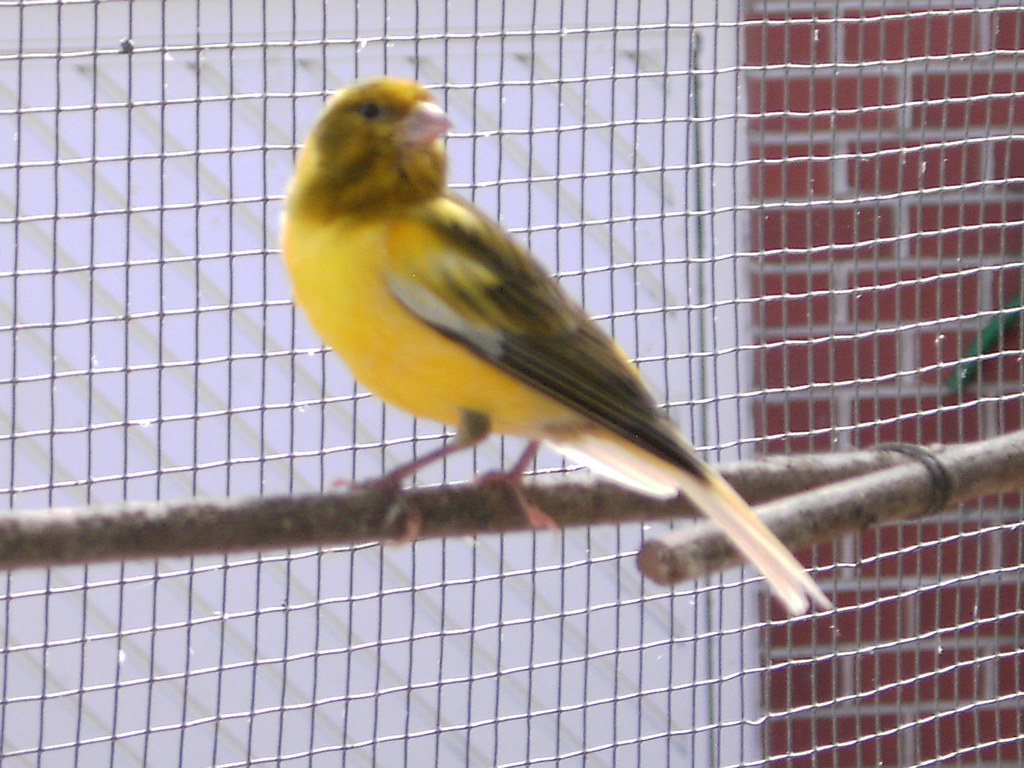
A small companion songbird bred into more than 200 distinct strains for song, color or physical type, this species is prized for male singers and a wide variety of appearances. Unlike parrots, it is not a hands-on pet; individuals tend to be solitary and territorial, and males typically develop their longest, most complex songs after about six months of age.
Housing and diet determine long-term health: each bird needs its own appropriately sized cage with multiple perches and room for short flights, since communal housing can provoke aggression. A balanced regimen should include formulated pellets (for example, Lafeber Premium Daily Diet Pellets), supplemented with a measured seed mix and fresh greens; seed-only diets are inadequate. Reproductive cycles respond to daylight, so artificial lighting affects nesting behavior. With consistent care, lifespan can exceed 14 years. Watch for respiratory and skin mites and mosquito-transmitted pox viruses; early veterinary treatment and indoor housing or mosquito control reduce risk.
At a Glance
A compact companion songbird bred into hundreds of varieties for song, color or type, the canary is valued for male singers and a wide range of appearances. Males typically develop their longest, most complex songs after about six months of age.
Care focuses on individual housing, a pellet-based diet supplemented with measured seed and fresh greens, and consistent daylight management to avoid unwanted breeding. Each bird needs its own cage because canaries are territorial, and indoor housing or mosquito control lowers risk of canary pox. Watch for mites and seek veterinary treatment promptly.
| Species type | Companion songbird (finch) |
|---|---|
| Adult size | 10–12 cm, 15–25 g |
| Colors | Yellow, red, green, brown, white |
| Lifespan | 14–20+ years |
| Temperament | Solitary, territorial, melodic |
| Vocality | Vocal |
| Diet type | Pellet-based |
| Cage size | Minimum 60 x 30 x 30 cm (24 x 12 x 12 in) |
| Social needs | Solitary, own cage recommended |
| Care difficulty | Intermediate |
| Beginner friendly | Yes, with research |
Quick Overview
Canaries suit owners who want a relatively low-contact, appearance- or song-focused companion and who can provide consistent daily care and housing. Males typically reach mature singing ability at around six months, and many enthusiasts select birds for specific song, color or type traits.
Male canaries often develop their most complex songs after about six months, making them prized for vocal performance. Owners should plan for single-bird housing (canaries are territorial), a pellet-based diet supplemented with measured seed and fresh greens, protection from mites and mosquito-borne pox, and lighting management to avoid unwanted breeding; with appropriate care many canaries live well beyond 14 years.
Housing & Environment
Provide an appropriately sized cage that allows short flights and clear space between perches; each bird should have its own cage because canaries are territorial and do not tolerate communal housing. Use narrow bar spacing suitable for small finches and position food and water away from perches to reduce contamination. Manage lighting to approximate natural day length when possible, since artificial light can trigger breeding behavior.
A stimulating, varied, and safe environment is essential for a canary’s physical and mental wellbeing. Offer a variety of perches (different diameters and textures, including natural wood) placed so the bird can move without obstruction and so droppings don’t foul perches or dishes. Include low-stress enrichment such as swings, visual stimulation (a window view or safe mirror), a cuttlebone or mineral block for beak maintenance, and periodic novel items to prevent boredom. Keep the cage in a stable indoor location away from drafts, direct strong sun, and kitchen fumes; indoor housing also reduces exposure to mosquito-borne pox. Canaries are not typically handled extensively, but supervised out-of-cage flight in a safe, bird-proofed room can provide beneficial exercise when possible.
Feeding & Diet
Canaries are best managed on a pellet-based diet with seed used as a measured supplement for variety and foraging. Pellets supply balanced nutrition that seed-only diets lack, while fresh greens add moisture and vitamins.
Dietary variety supports feather condition, song performance, and overall longevity when balanced with a formulated pellet base.
- Main food items
- High-quality canary pellets (e.g., Lafeber Premium Daily Diet Pellets)
- Measured canary seed mix
- Fresh foods
- Fresh leafy greens
- Vegetables and small amounts of fruit
- Feeding frequency
- Pellets offered daily
- Seed offered in measured portions
- Fresh water daily
- Foods to strictly avoid
- Avocado
- Chocolate
- Caffeine and alcohol
- Excess salt and sugary processed foods
- Supplementation
- Cuttlebone or mineral block
- Vitamin or color supplements only under veterinary guidance
Social Needs & Behavior
Canaries generally do better housed singly; they are territorial and can become aggressive or stressed if forced to share a cage. Males are the primary singers and vocalize more frequently, especially during breeding seasons, while hens may sing less. Bonding with owners tends to be limited compared with parrots — many canaries remain relatively independent and do not require handling to thrive, though some individuals may become accustomed to regular quiet presence and interaction.
Meeting a canary’s social and enrichment needs requires regular short daily attention and environmental variety. Supervised out-of-cage flight in a bird-proofed room can provide valuable exercise, and visible enrichment (window views, mirrors, swings, foraging opportunities) helps prevent boredom. Signs of stress or understimulation may include reduced singing, fluffed or untidy plumage, loss of appetite, increased aggression, repetitive pacing, or feather picking; respond by increasing safe enrichment, checking diet and housing, and consulting an avian vet if problems persist.
Health & Lifespan
Canaries can live more than 14 years with proper care.
Locate an avian veterinarian before acquiring a canary and arrange for preventive care. Maintain routine cage cleaning, fresh water, and a balanced diet; avoid exposure to toxic fumes from non-stick cookware, air fresheners, and candles, and minimize mosquito exposure to reduce risk of pox. Seek prompt veterinary attention for any changes in behavior, appetite, or appearance.
- Air-sac mites
- Scaly mites
- Red mites
- Canary pox
Avian-specialist veterinary care improves diagnosis and outcomes for common canary illnesses.
Pros & Cons (Honest)
- Male birds can produce complex, prized song performances
- Hundreds of bred varieties for color, type, and song
- Generally low-contact, suitable for owners who prefer visual and listening companionship
- Small size and manageable housing compared with larger parrots
- Long potential lifespan with proper care (can exceed 14 years)
- Territorial: must be housed singly to avoid aggression
- Not a hands-on pet; limited bonding through handling
- Susceptible to mites and mosquito-transmitted canary pox
- Lighting and artificial daylength can trigger unwanted breeding
- Finding a quality singer often requires experience or a reputable breeder
Final Considerations
Best suited for owners who value a melodious, low-contact companion and can provide consistent, individual housing, a balanced pellet-based diet, and a stable indoor environment. Canaries reward caretakers who prioritize clean housing, lighting management, and routine attention rather than frequent handling.
Those seeking an interactive, highly social bird or who cannot commit to daily maintenance and environmental safeguards should consider other species. Choose a different companion if hands-on bonding and frequent out-of-cage interaction are primary goals.