
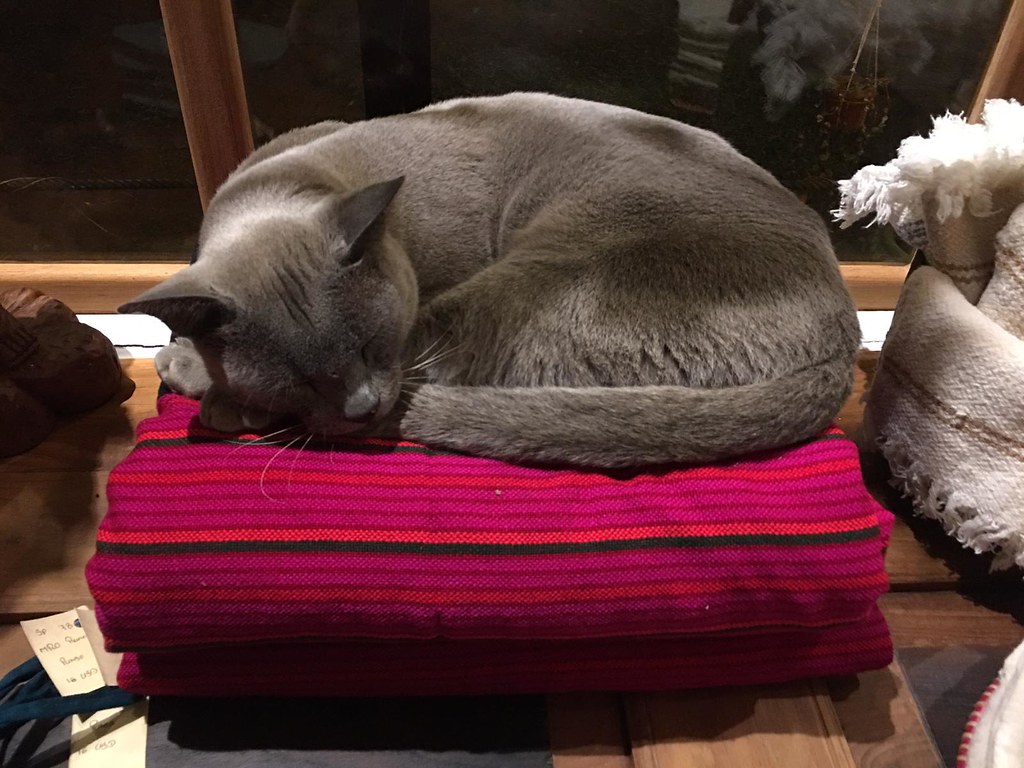
Compact, medium-to-large cats with a short, silky single coat and large golden eyes trace their modern type to a single female, Wong Mau, whose early crosses with Siamese stock produced a rounded head, short muzzle and a well-muscled, surprisingly heavy body. The classic seal sepia (sable) with rich, glossy brown coloring is most familiar, but colors also include warm blue, chocolate with beige or pink tints, a range of lilacs, light apricot reds, deep creams and a variety of tortoiseshell mixes; coats often deepen and even out with age so body and points become more similar.
Affectionate and deeply people-oriented, these cats are playful, tolerant of children and thrive on company—households where the cat would be left alone for long stretches should consider adopting two. Care needs are straightforward: weekly grooming with a rubber brush and an occasional chamois wipe keeps the satin-like coat glossy, while routine nail trimming, ear checks and tooth brushing support overall health. Prioritize a high-quality diet and regular exercise to maintain their compact, muscular condition, offer fresh water (placing the bowl away from food or using a filtered fountain can encourage drinking), and discuss genetic screening for hypertrophic cardiomyopathy with breeders and your veterinarian since early diagnosis via echocardiogram improves management. Individual temperament and health vary, so tailor preventive care and enrichment to the cat’s needs.
At a Glance
The Burmese is a compact, muscular domestic cat known for a short, satin-like coat and striking golden eyes. Bred from the foundation cat Wong Mau in the United States, the modern Burmese combines rich, glossy colors with a notably people-focused, playful nature. These cats are affectionate and social while individual temperament and health needs vary.
| Origin | United States (developed from Wong Mau) |
|---|---|
| Size | Medium to large, males larger |
| Weight | Females 6–10 lb (2.7–4.5 kg), males 8–12 lb (3.6–5.4 kg) |
| Lifespan | 12+ years |
| Coat length | Short |
| Colors | Sable (seal sepia), blue, chocolate, lilac, red, cream, tortoiseshell mixes |
| Temperament |
|
| Energy level | Medium, playful and active |
| Vocality | Moderate, soft conversational |
| Shedding | Low, minimal shedding with weekly grooming |
| Grooming needs | Low, weekly rubber brush and occasional chamois wipe |
| Good with children | Often good with children when socialized |
Quick Overview
The Burmese is a compact, muscular cat known for a short, glossy coat, expressive golden eyes, and a strong preference for close human companionship. Affectionate and playful, these cats often join family activities, adapt well to homes with children, and can become lonely if left without company for long periods.
Warm, people-focused, and playful, Burmese tend to seek out companionship and reward owners with steady, gentle attention. They are generally low-maintenance for grooming but do best with regular interaction, mental stimulation, and a nutritious diet tailored to maintain their compact, muscular condition.
Temperament & Personality
Affectionate and deeply people-oriented, Burmese commonly seek close contact and interactive play with their household. They often favor companionship and will follow family members around, happy to curl up on laps or join in games.
These cats are playful and tolerant, showing patience with children and a willingness to be handled in ways more delicate breeds may not enjoy. They are not the most independent of breeds and can become lonely if left alone for long stretches, so consider companionship or extra enrichment.
Burmese tend to be confident and social but individual variation is normal; some are boldly outgoing while others are more reserved initially. They are usually welcoming to strangers and adapt well to busy family life, though each cat’s comfort with new people will depend on socialization and temperament.
Family Life: Kids, Cats & Other Pets
Burmese are typically affectionate and tolerant, often enjoying interactive play and close contact that can fit well into family life. They are usually patient and playful with children, though supervision and teaching gentle handling help prevent stress for the cat and the child. Individual variation is normal, so early socialization and clear boundaries improve outcomes.
These social cats often accept other household cats and can form strong bonds when introduced gradually and provided with separate resources. With careful, gradual introductions and accessible safe spaces, Burmese frequently coexist well with dogs and other pets, but small animals may trigger hunting behavior and require supervision and secure separation when unsupervised. Managing resources—multiple litter boxes, separate feeding areas and escape routes—reduces territorial tension during adjustment.
Activity, Play & Enrichment
Burmese are typically playful and socially engaged, enjoying interactive games and human company more than long solitary play. They often seek toys that move and provoke stalking or pouncing, so many retain a mild hunting instinct and respond well to play that mimics prey.
- Interactive wand toys that encourage chasing and pouncing
- Puzzle feeders and food-dispensing toys for problem-solving
- Climbing structures and shelves to provide vertical territory
- Window perches for bird- and wildlife-watching
- Rotation of toys and scent enrichment to sustain interest
- Play-based training games that combine reward and movement
Mental and physical stimulation support behavioral wellbeing and help maintain a Burmese’s compact, muscular condition.
Training tips: use positive reinforcement such as small rewards and praise, keep sessions upbeat and brief, and build name recall or simple cues into play to strengthen the bond and provide enrichment.
Grooming, Shedding & Coat Care
The Burmese’s short, satin-like coat lies close to a compact, muscular body and generally needs only light maintenance to stay glossy. Simple routine care combined with regular checks of nails, ears and teeth keeps most Burmese comfortable and healthy.
| Coat type | Short, silky, single coat |
|---|---|
| Shedding level | Low, minimal shedding with weekly grooming |
| Grooming frequency | Weekly, rubber brush and occasional chamois wipe |
| Bathing | Occasional, as needed |
| Nail trimming | Regular trims |
| Ear care | Periodic cleaning and checks |
| Teeth brushing | Regular brushing with vet-approved toothpaste |
| Matting risk | Low, unlikely with regular grooming |
Health & Lifespan
The Burmese commonly has a life expectancy of 12+ years according to breed sources.
Responsible care includes routine veterinary checkups, up-to-date vaccinations, spaying or neutering, regular dental care, and attention to diet and exercise to maintain a healthy weight and body condition. Discuss screening for hypertrophic cardiomyopathy with breeders and your veterinarian, since targeted cardiac testing can improve early detection and management.
- Hypertrophic Cardiomyopathy (HCM)
Choose breeders who screen for inherited conditions or consider adopting from a reputable shelter to support responsible placement and long-term welfare.
Feeding & Nutrition
Burmese thrive on a high-quality, protein-focused diet suited to obligate carnivores. Wet food provides valuable moisture and can help maintain hydration while dry food offers convenience and some dental benefits; many owners use a combination tailored to the cat’s preferences and hydration needs. Cats have a low thirst drive, so provide fresh, clean water daily, place the water bowl at least three feet away from food to encourage drinking, or consider a filtered drinking fountain.
Feed on a consistent schedule with portion sizes adjusted to body condition and activity rather than free-feeding; follow feeding guidelines on the food label and consult your veterinarian for life-stage or condition-specific needs. Indoor Burmese may need closer portion control and extra play-based exercise to prevent weight gain, and puzzle feeders can slow intake while adding mental enrichment. Good hydration and a balanced, species-appropriate diet support long-term health and help maintain the Burmese’s compact, muscular condition.
Pros & Cons (Honest)
- Affectionate and people-oriented, bonds closely with household members
- Playful and tolerant, often good with children
- Low-maintenance short coat requiring only weekly grooming
- Attractive, glossy colors with expressive golden eyes
- Can become lonely or stressed if left alone for long periods
- Genetic risk for hypertrophic cardiomyopathy; screening advised
- May gain weight without regular exercise and portion control
- Often seeks attention and can be moderately vocal
Deciding if a Burmese Fits Your Home
Affectionate, social households that can offer regular interaction and play are often a strong match for the Burmese. These cats tend to thrive with company, engagement, and predictable family routines.
Those who travel frequently, prefer very independent cats, or keep unsupervised small prey animals should consider whether a Burmese’s social nature and playful hunting instincts fit their lifestyle. Prospective owners should be prepared to provide companionship, mental stimulation, and mindful weight management to support a happy, balanced cat.