
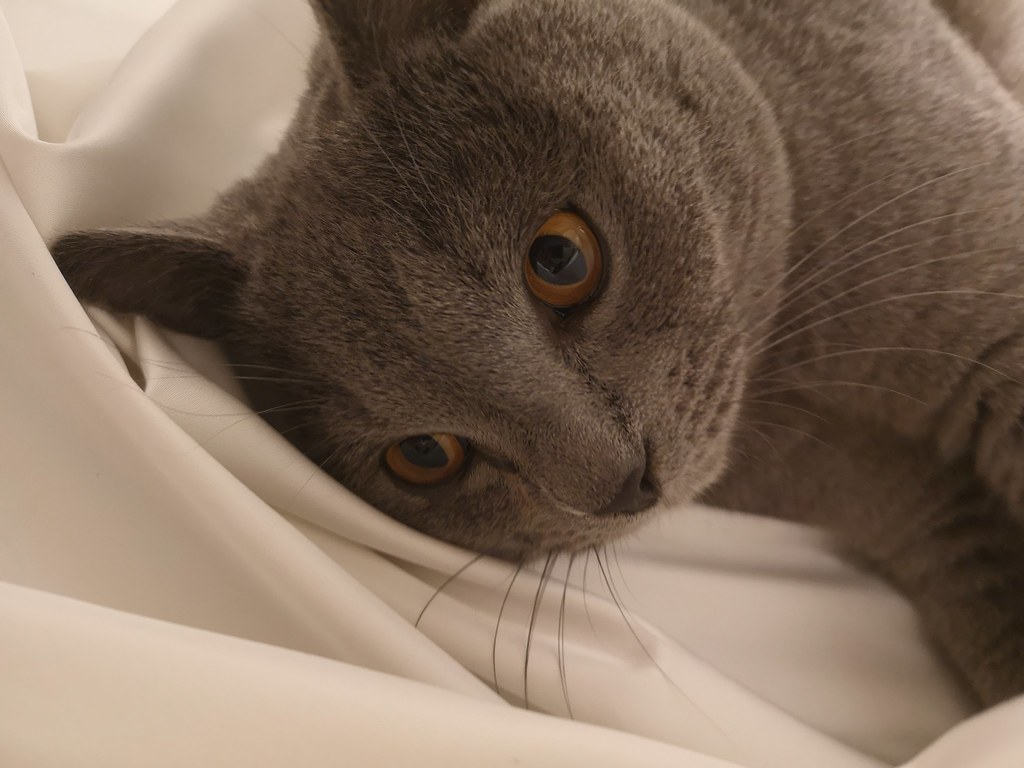
The chubby-faced cat with chipmunk cheeks and a plush, dense coat is a sturdy, teddy-bear–like companion famed for its calm, gentle temperament and iconic Cheshire-Cat smile. Tracing ancestry to the cats that accompanied the Romans to Britain, this medium-to-large, compact cat is typically seen in the classic blue (grey) but occurs in a wide variety of colors; adult females usually weigh about 8–11 pounds and adult males about 10–16 pounds, with a life expectancy commonly between 12 and 20 years depending on background and care. Dignified and affectionate without being demanding, these cats prefer to be near their people rather than on laps, are tolerant of children and dogs, move with a deliberate, quiet manner and enjoy bursts of playful activity.
Care is straightforward but important: a weekly comb with attention during seasonal sheds keeps the short, plush coat healthy and reduces loose hair, and nails, ears and teeth benefit from regular two-week nail trims, routine ear checks and veterinary-approved tooth brushing. Owners should watch portions and encourage daily play to prevent weight gain; feed adults on a twice-daily schedule (wet food high in meat content is recommended) and feed kittens more often while avoiding free feeding and sugary treats. Because the breed can be at risk for hypertrophic cardiomyopathy (HCM), responsible breeders and owners should arrange echocardiographic screening by a veterinary cardiologist and maintain annual veterinary exams and dental care to detect and manage health issues early.
At a Glance
A compact, medium-to-large British breed known for a dense, plush short coat and a round, chubby-faced appearance.
Gentle, dignified and affectionate, this low-energy cat prefers quiet companionship, tolerates children and dogs, and enjoys short bursts of play.
| Origin | Great Britain, descended from Roman-era imports |
|---|---|
| Size | Medium to large |
| Weight |
|
| Lifespan | 12–20 years |
| Coat length | Short |
| Colors | Blue (grey), Black, White, Cream, Silver, Tabby |
| Temperament |
|
| Energy level | Low (calm, occasional playful bursts) |
| Vocality | Low (quiet and unobtrusive) |
| Shedding | Moderate (seasonal increase) |
| Grooming needs | Low (weekly combing, extra during seasonal sheds) |
| Good with children | Often good with children when properly socialized |
Quick Overview
A compact, round-faced cat with a dense, plush coat, this breed blends calm dignity with steady affection. Gentle, dignified and quietly affectionate, they tend to prefer companionship at arm’s length rather than constant cuddling.
Care is straightforward: weekly grooming manages the short, plush coat and regular play plus portion control help prevent excess weight. Breeders and owners should remain mindful of hereditary heart disease risks and maintain routine veterinary screening and dental care to support long-term health.
Temperament & Personality
British Shorthairs are calm, even-tempered cats that combine quiet confidence with steady affection. They tend to be dignified and tolerant, offering companionship without demanding constant attention.
These cats are independent enough to amuse themselves yet engage warmly when approached; they often prefer to be near their people rather than on laps, and express affection on their own terms. Playful bursts appear regularly, but overall activity is measured and purposeful rather than frantic.
With strangers they are usually polite and reserved rather than shy or overly forward, assessing new people and situations before responding. Most British Shorthairs meet newcomers with calm curiosity and are unlikely to react with high anxiety or excessive timidity.
Family Life: Kids, Cats & Other Pets
British Shorthairs are generally patient and tolerant, which can make them good companions for families with children when the children are taught to handle cats gently and respectfully. They often tolerate playful, calm children well but usually prefer not to be carried and value having their feet on solid ground.
These cats usually adapt well to multi-pet households when introductions are managed slowly; they tend to be calm with other cats and are often tolerant of dogs, but individual temperament varies. Gradual introductions, separate resources and accessible safe spaces help reduce stress and support peaceful cohabitation with other cats, dogs or small animals.
Activity, Play & Enrichment
British Shorthairs are generally low-energy cats that favor measured, purposeful play over constant high activity. They retain a mild hunting instinct and often trade barn-hunting for chasing toy mice and short, enthusiastic play sessions.
Mental and physical stimulation supports healthy weight, prevents boredom and keeps indoor cats engaged without stressing their calm nature.
- Interactive wand and teaser toys for short chase games
- Puzzle feeders and treat-dispensing toys to encourage foraging
- Window perches for birdwatching and visual stimulation
- Sturdy climbing structures and tall scratching posts
- Rotating small toys and hiding boxes to renew interest
Training tips: Use gentle clicker training or food rewards to teach name recall, short fetch games, and basic cues; keep sessions brief and positive and build on the breed’s preference for calm interaction.
Grooming, Shedding & Coat Care
The British Shorthair’s short, extremely dense plush coat is resilient and generally straightforward to maintain with routine care. Simple weekly grooming and attention during seasonal sheds keep the coat healthy and reduce loose hair around the home.
| Coat type | Short, extremely dense plush |
|---|---|
| Shedding level | Moderate (seasonal increase) |
| Grooming frequency | Weekly (extra during seasonal sheds) |
| Bathing | As needed (most self-groom; bathe if soiled) |
| Nail trimming | Every two weeks |
| Ear care | Regular cleaning |
| Teeth brushing | Regular brushing with vet-approved toothpaste |
| Matting risk | Low (coat resists tangling) |
Health & Lifespan
Life expectancy is commonly 12–20 years, depending on background and life circumstances.
Responsible care includes routine veterinary checkups and vaccinations, spaying or neutering, regular dental care and maintaining a healthy weight. Because the breed can be at risk for hypertrophic cardiomyopathy, breeders and owners should arrange echocardiographic screening by a veterinary cardiologist and maintain annual veterinary exams to monitor heart health and other conditions.
- Hypertrophic cardiomyopathy (HCM)
- Dental disease
Choose breeders who screen for hereditary conditions and share health records, or adopt from a reputable shelter to support a healthy, well-vetted cat.
Feeding & Nutrition
British Shorthairs are obligate carnivores, so diets centered on high-quality animal protein are appropriate; wet food high in meat content is often recommended to support hydration and encourage richer protein intake compared with dry-only diets. Consistent access to fresh water and diet quality are key to long-term health and help reduce risks associated with low thirst drive. Place fresh water at least three feet from food and consider a water fountain or multiple bowls to encourage drinking.
Adults are typically fed on a regular schedule twice daily while kittens need more frequent meals; free feeding is not recommended as these cats love food and can gain weight if allowed to graze. Measure portions, avoid treats with added sugar and use puzzle feeders or food-dispensing toys to slow intake and add mental stimulation.
Because British Shorthairs tend toward a calm, sedentary lifestyle, active weight management matters: monitor body condition, adjust portions as activity or life stage changes and pair feeding strategies with regular play. Work with a veterinarian to tailor calorie targets and dietary composition for age, health status and weight-management goals.
Pros & Cons (Honest)
- Gentle, dignified temperament suits quiet households
- Tolerant with children and often gets along with dogs
- Low grooming needs for the short, dense coat
- Calm, affectionate companion that prefers nearby company to constant handling
- Generally robust with a long potential lifespan
- Prone to weight gain without portion control and regular play
- Risk of hypertrophic cardiomyopathy; requires screening and monitoring
- Not typically a lap cat and usually dislikes being carried
- Moderate seasonal shedding increases grooming during coat changes
- Lower activity level may not suit owners seeking a highly energetic cat
Choosing a Match
British Shorthairs suit owners who want a calm, steady companion that enjoys nearby company without demanding constant attention. Best matched to households that appreciate a dignified, low-maintenance cat and can manage portion control and regular, gentle play.
They often do well in family homes with respectful children and in multi-pet households given slow, careful introductions, but may not satisfy those seeking a highly active or clingy pet. Consider a different breed if relentless energy or constant lap time are top priorities.