
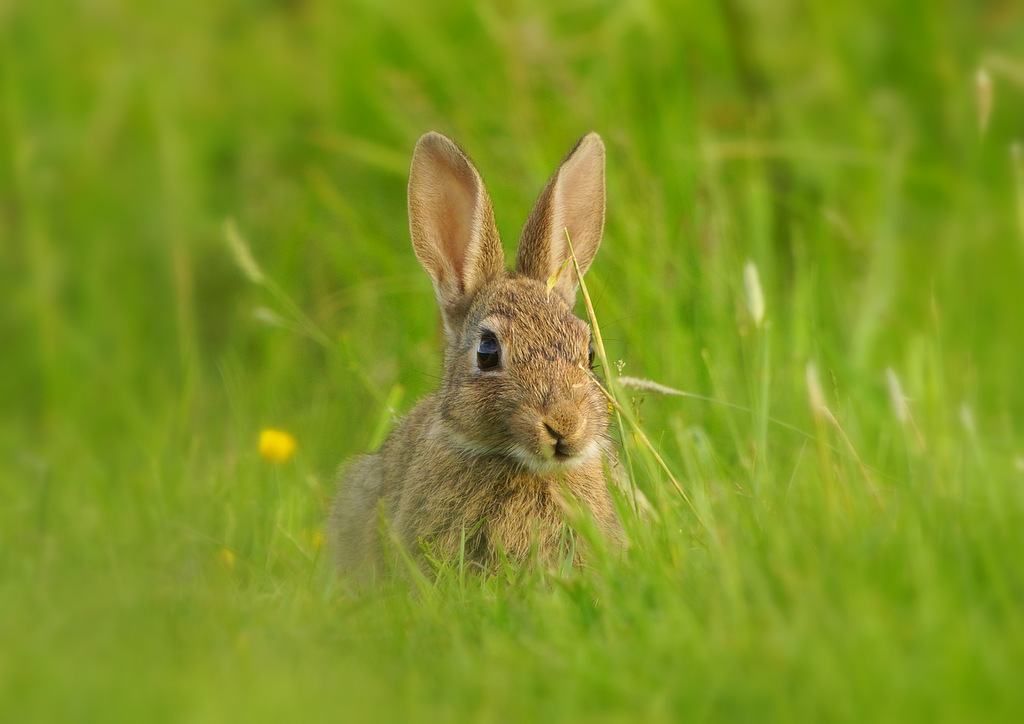
Compact, social companions that do best with daily exercise, gentle handling, and consistent routines. Lifespan in home care commonly ranges from about eight to twelve years; preventive spay/neuter and regular checkups with a veterinarian experienced in exotic or small mammals reduce behavioral issues and common health risks. These animals are sensitive to heat and stress, so stable temperatures, low-stress handling, and prompt veterinary attention for any appetite or behavior changes are important.
Core care focuses on secure indoor housing and supervised free-roam time, a diet centered on unlimited grass hay plus measured high-quality pellets and daily fresh leafy greens, and constant access to clean water. Provide chew-proofing, hiding spots, litter training, daily enrichment and social interaction, and routine grooming—especially for long-haired individuals. Monitor dental health and gastrointestinal signs closely and seek veterinary care at the first sign of reduced eating, lethargy, or changes in feces.
At a Glance
Domesticated lagomorphs kept as indoor companions that thrive with daily exercise, a high-fiber diet, and consistent handling routines.
Care centers on unlimited grass hay, measured high-quality pellets, daily fresh leafy greens, secure indoor housing with supervised free-roam time, and routine veterinary care including spay/neuter.
| Species type | Domestic lagomorph |
|---|---|
| Adult size | 12–20 in, 2–6 kg (4.5–13 lb) |
| Lifespan | 8–12 years |
| Temperament | Social, curious, gentle |
| Activity pattern | Crepuscular |
| Diet type | Herbivore |
| Housing type | Indoor free-roam with secure enclosure |
| Social needs | Pairs Recommended, benefits from bonding and companionship |
| Care difficulty | Intermediate |
| Beginner friendly | Depends on commitment level |
Quick Overview
Domestic rabbits are social, crepuscular companions that tend to thrive with consistent routines, daily exercise, and a high-fiber diet. They appeal to owners who can provide secure indoor housing, supervised free-roam time, and routine veterinary care; owners should be prepared for grooming, litter training, and attention to dental and gastrointestinal health.
Their most defining characteristic is a reliance on a constant supply of fiber and regular exercise to support dental wear and digestive function. They suit committed caretakers who can offer enrichment, companionship, and preventive veterinary care; they are not ideal for someone seeking a very low-maintenance pet.
Housing & Environment
Rabbits do best indoors with a secure primary enclosure and daily supervised free-roam time in a rabbit-proofed area. Use a solid-floor enclosure or exercise pen rather than prolonged wire-bottom housing; the enclosure should include a hiding area, a litter box, and room to stand on hind legs and move freely. Many owners combine a roomy enclosure as a safe base with several hours of daily free-roam to meet exercise needs.
Avoid cedar or pine shavings; choose absorbent, low-dust bedding or paper-based litter and place hay in or near the litter area to encourage natural grazing and litter use. Adequate space plus daily enrichment such as chew-safe toys, cardboard tunnels, hiding boxes, and opportunities to run and explore is essential to prevent boredom and destructive behavior. Rabbits are sensitive to heat and stress, so provide a stable, draft-free environment, shade, and cool resting spots during warm weather.
Spot-clean feces and wet bedding daily and clean the litter box at least once a day; perform a full enclosure clean and bedding change on a regular schedule that suits the animal and the enclosure size. Regularly inspect and chew-proof the free-roam area, rotate enrichment items, and adjust the setup as the rabbit’s needs and mobility change with age or health.
Feeding & Diet
Rabbits are herbivores that require a high-fiber diet based primarily on grass hay, with measured high-quality pellets and daily fresh leafy greens as supplements.
Proper nutrition, centered on constant access to grass hay and balanced supplementation, supports dental wear, stable digestion, and a healthier lifespan.
- Main food items
- Unlimited grass hay
- High-fiber pellets (measured)
- Fresh leafy greens
- Fresh water
- Treats and extras
- Small amounts of fruit
- Commercial rabbit treats (sparingly)
- Chew-safe toys and branches
- Feeding frequency
- Hay: available at all times
- Pellets: daily, measured portions
- Greens: daily
- Water: available at all times
- Foods to avoid
- High-sugar foods and sweets
- Chocolate and processed human food
- Seeds, nuts, and high-starch items
- Iceberg lettuce
Handling & Temperament
Rabbits are social, curious prey animals whose temperaments vary widely by individual and by breed; many are gentle and enjoy interaction, while others remain shy or reactive. They can tolerate gentle, regular handling when properly socialized, but prolonged or improper restraint often triggers fear; avoid sudden movements and allow the rabbit to approach on its own terms. Support the hindquarters when lifting and hold the body close to reduce stress and the risk of injury.
Short, consistent handling sessions and calm, predictable routines help build trust over time—sit quietly at floor level, offer safe treats, and use gentle grooming and petting rather than forced holding. Watch for signs of stress such as thumping, flattened ears, tense body posture, wide eyes, rapid breathing, attempts to flee, biting, or grinding teeth, and stop handling if these occur. Read the rabbit’s body language and respect its limits: responding quickly to discomfort prevents injury and strengthens trust.
Health & Lifespan
Average lifespan in home care is about 8–12 years, though individual outcomes vary with diet, housing, genetics, and veterinary care. Be honest about the length of commitment: rabbits are a multi-year companion that require consistent husbandry and preventive care.
Provide regular wellness exams with a veterinarian experienced in exotic or small-mammal medicine, maintain a clean, safe enclosure, offer a high-fiber diet with unlimited grass hay, and monitor eating, drinking, feces, and behavior daily. Prompt attention to reduced appetite, changes in fecal output, lethargy, or any sudden behavioral shifts improves the chance of a good outcome.
- Dental disease (malocclusion)
- Gastrointestinal stasis
- Respiratory infections
- Flystrike
Locate a veterinarian skilled with rabbits and other small mammals before bringing one home.
Pros & Cons (Honest)
- Social and capable of forming strong bonds with owners
- Quiet, making them suitable for indoor living
- Litter trainable and adaptable to supervised free-roam
- Long-term companion (8–12 years)
- Engaging behaviors and responsive to enrichment
- Require daily care: unlimited hay, greens, exercise, and cleaning
- Prone to dental and gastrointestinal problems that need veterinary attention
- Sensitive to heat and stress; need a stable, draft-free environment
- Tendency to chew and damage household items without supervision or proofing
- Veterinary care and spay/neuter often require a vet experienced with small mammals and can be costly
Deciding If a Rabbit Fits Your Home
Best suited to people who can provide daily interaction, a stable indoor environment, and consistent routines for diet, exercise, and enrichment. Households willing to rabbit-proof living spaces, commit to litter training and grooming, and budget for preventive veterinary care will find rabbits rewarding companions. Rabbits require daily commitment to diet, exercise, and enrichment.
Not recommended for caretakers seeking a low-maintenance pet, those with unpredictable schedules, or homes unable to secure a safe, supervised living area. Consider the long-term time, space, and financial responsibilities before acquiring one. Plan and prepare ahead—stable care and an experienced veterinarian are key to a good outcome.