
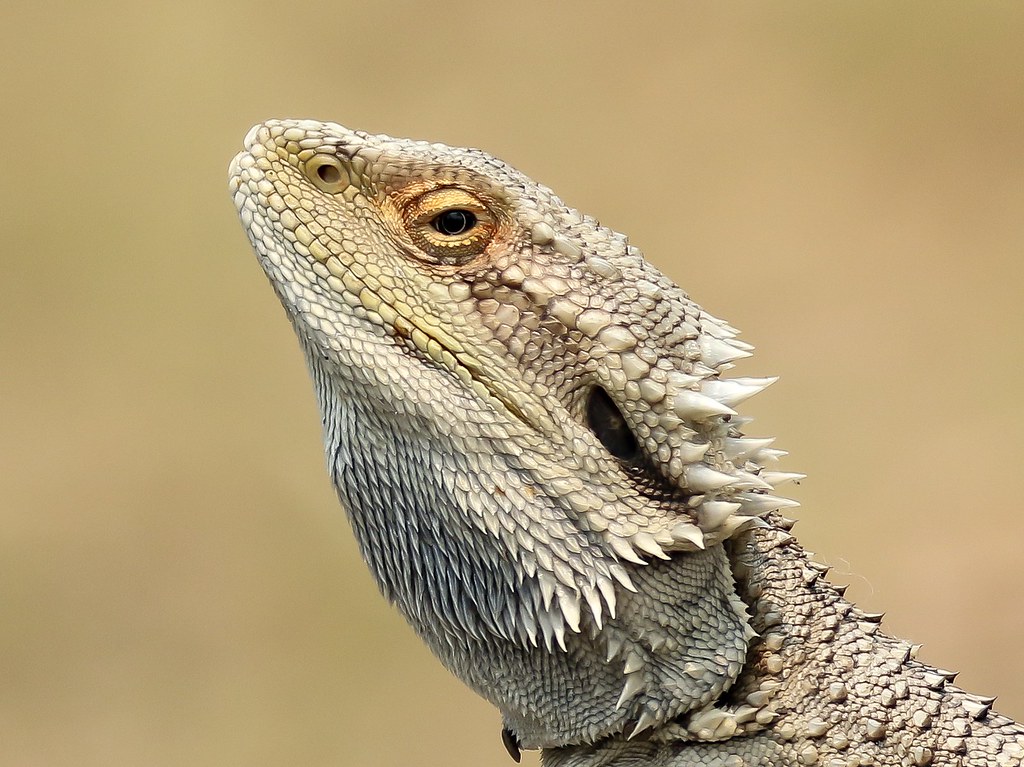
Pogona vitticeps is a widely kept, generally docile pet reptile prized for its interactive behavior and adaptable diet. Successful long-term care centers on a horizontally oriented enclosure with reliable full‑spectrum UVB lighting, a defined basking site for thermoregulation, and low ambient humidity; these elements support proper calcium metabolism, digestion, and shedding. Juveniles require a protein‑rich feeding regime while adults shift toward a higher proportion of greens and vegetables, so feeding plans should change with age and size.
Provide a spacious terrarium with a warm basking zone (roughly 95–110°F) and a cooler area near 75–85°F, allowing natural thermoregulation; nights may safely drop into the low 60s. Use solid substrates such as reptile carpet, tile, or paper for young animals to reduce impaction risk, and offer secure hiding spots, branches for climbing, and shallow water for soaking. Feed a mix of gut‑loaded insects and fibrous vegetables, dusting insects with calcium and rotating vitamin supplements as recommended by an exotics veterinarian; monitor appetite, activity, shedding, and fecal appearance for early signs of illness, and seek veterinary care for lethargy, weight loss, abnormal stools, or respiratory signs.
At a Glance
Bearded dragons are popular companion lizards known for their calm demeanor and visible, interactive behavior with handlers. They thrive under a clear thermal gradient with a dedicated basking site, dependable full‑spectrum UVB, and a varied diet of insects and leafy greens. Routine husbandry and health checks support a long, healthy life in captivity.
| Species type | Lizard |
|---|---|
| Adult size |
|
| Lifespan | 8–12 years |
| Temperament |
|
| Activity pattern | Diurnal |
| Diet type | Omnivore |
| Housing type | Terrestrial |
| Care difficulty | Beginner |
| Beginner friendly | Yes, with research |
Quick Overview
Bearded dragons suit owners who can commit to consistent, day‑to‑day husbandry, including a reliable basking site, full‑spectrum UVB lighting, and a diet that shifts as the animal matures. Their approachable appearance, predictable behaviors, and tendency toward tolerance of handling make them broadly appealing to hobbyists and families willing to learn basic reptile care.
The most defining characteristic is a calm, interactive nature that often tolerates handling and encourages regular owner interaction. Owners should expect to provide a spacious, horizontally oriented enclosure with a thermal gradient, feed gut‑loaded insects for juveniles and more greens for adults, monitor health and shedding, and seek veterinary care for signs of illness or abnormal behavior.
Care & Housing
Bearded dragons require a terrestrial, horizontally oriented enclosure with secure ventilation and room to thermoregulate and explore. Minimums vary by age: juveniles may start in a smaller breeder enclosure, while adults typically need a much larger habitat — commonly around 75–120 gallons (roughly 4×2×2 feet) to allow natural behavior and a proper thermal gradient. Use solid, easy‑to‑clean substrates such as reptile carpet, tile, or paper for juveniles and non‑loose options like tile or slate for adults; avoid loose sand for young animals to reduce impaction risk. Get the enclosure, lighting, and temperature gradient fully set up and stable before bringing a bearded dragon home.
Establish a clear thermal gradient with a defined basking site and a cooler retreat: aim for a basking spot in the mid‑90s to low‑110s °F range and a warm side in the mid‑70s to mid‑80s °F, with nights allowed to drop into the low 60s to permit natural cooling. Provide reliable full‑spectrum UVB lighting positioned to allow effective exposure and replace UVB sources according to manufacturer guidance to maintain output. Keep ambient humidity low—generally in the lower tens to around 20–40%—and ensure good ventilation; offer a shallow water dish and occasional supervised soaks rather than sustained high humidity, and include hides, low branches, and secure decor to support behavioral needs.
Feeding & Diet
Bearded dragons are omnivores that require both animal protein and plant matter; juveniles generally need a higher proportion of insects, while adults shift toward more leafy greens and vegetables. Proper nutrition and consistent supplementation are central to preventing metabolic bone disease and supporting long‑term health.
- Main food items
- Insects: crickets, dubia roaches, superworms (better suited to adults)
- Leafy greens and vegetables: collard greens, mustard greens, dandelion greens, squash
- Occasional fruit: berries, melon (treats only)
- Feeding frequency
- Juveniles: multiple insect feedings per day with daily access to greens
- Adults: daily greens; insects offered less frequently (several times per week)
- Prey sizing
- Insects no larger than head width or the space between the eyes
- Scale prey size to age and jaw strength
- Gut-loading and supplementation
- Gut‑load feeder insects with nutritious foods 24–48 hours before feeding
- Dust insects with calcium and rotate a multivitamin per product instructions or veterinary guidance
- Foods to avoid
- Avocado, rhubarb, spinach, iceberg lettuce
- Pesticide‑exposed or wild‑caught insects; fireflies; excessive fatty treats (waxworms) only as occasional rewards
Handling & Temperament
Bearded dragons are generally described as calm, curious, and tolerant compared with many other reptiles, which contributes to their popularity as pets. They often tolerate gentle handling and can become accustomed to regular interaction, but individual responses vary and not all animals will enjoy frequent handling. Signs of stress or discomfort include darkening or blackening of the beard, puffing or flattening of the body, hissing, rapid escape attempts, repetitive pacing or glassing, and reduced appetite; submissive arm‑waving or head bobbing may indicate social signaling rather than fear.
Reading body language and respecting limits is essential when building trust and avoiding injury to both the animal and handler. Recommended handling practices include short, gentle sessions that fully support the dragon’s body, avoiding sudden movements, and limiting handling during vulnerable periods such as right after feeding, during brumation, or while shedding. Increase interaction gradually, offer calm environments for sessions, and use handling as one component of enrichment and husbandry rather than the sole focus of care.
Health & Lifespan
Bearded dragons typically live 8–12 years in captivity when kept with appropriate husbandry and veterinary care.
Locate an exotic‑experienced veterinarian before acquiring a bearded dragon and establish a relationship for routine care. Regular wellness exams, prompt quarantine and veterinary screening for new animals, diligent enclosure cleaning, and attention to diet, lighting, and temperature all support disease prevention and early detection of problems.
- Metabolic bone disease
- Impaction
- Internal and external parasites
- Respiratory infections
- Stomatitis (mouth rot)
Reptile‑specialist veterinary care is invaluable for accurate diagnosis, preventive guidance, and effective treatment of bearded dragon health issues.
Brumation
Brumation is a seasonal period of reduced activity and appetite some bearded dragons undergo, typically during cooler months; it can last from a few weeks to several months. Common signs include decreased interest in food, longer sleep periods, less movement, and reduced fecal output.
Prepare by ensuring the dragon is healthy before entering brumation (veterinary check recommended), provide a quiet, secure area with stable temperatures and reduced photoperiod, keep fresh water available, and monitor weight and hydration regularly. Minimize handling during this period and restore normal lighting, heat, and feeding gradually when the animal begins to arouse; consult an exotic veterinarian if the dragon shows excessive weight loss, prolonged failure to resume normal activity, or other concerning signs.
Pros & Cons (Honest)
- Generally calm and often tolerant of handling, making them approachable for many owners
- Interactive behavior and visible responses encourage regular engagement and enrichment
- Omnivorous diet allows a variety of insects and vegetables
- Can live many years with proper husbandry
- Well‑documented care needs and wide availability of husbandry resources
- Require reliable full‑spectrum UVB and a defined basking site for health
- Adults need a relatively large, horizontally oriented enclosure
- Risk of metabolic bone disease and other health problems if diet, lighting, or temperatures are inadequate
- Veterinary care from an exotic‑experienced clinician and potential costs should be anticipated
- Juveniles demand more frequent feeding and closer monitoring than adults
Final Considerations
Best suited to owners willing to learn species‑specific husbandry, provide consistent lighting and thermal gradients, and commit to a multi‑year relationship; these qualities often result in a tolerant, interactive companion. They tend to reward reliable care with predictable, engaging behavior.
Those seeking a very low‑maintenance pet, unable to provide a suitably sized, well‑equipped enclosure, or without access to an exotic‑experienced veterinarian should think carefully before acquiring one. Evaluate housing, budget, and time commitments realistically before bringing a bearded dragon home.