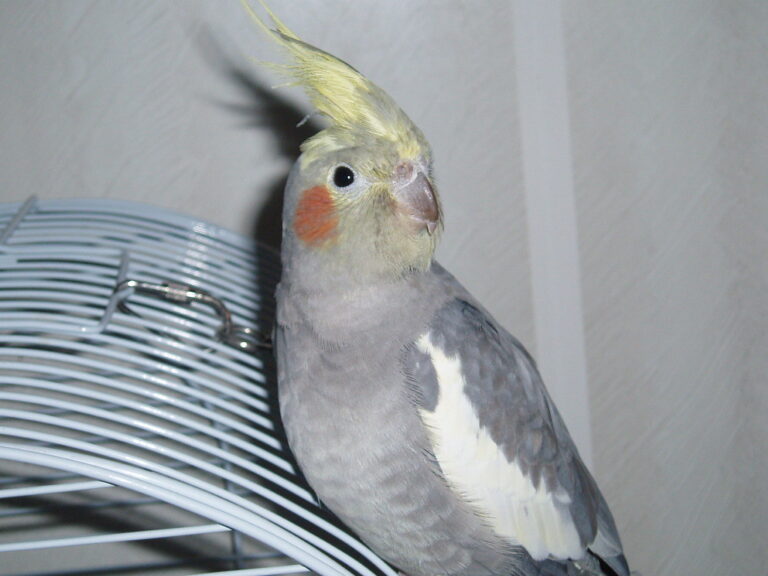

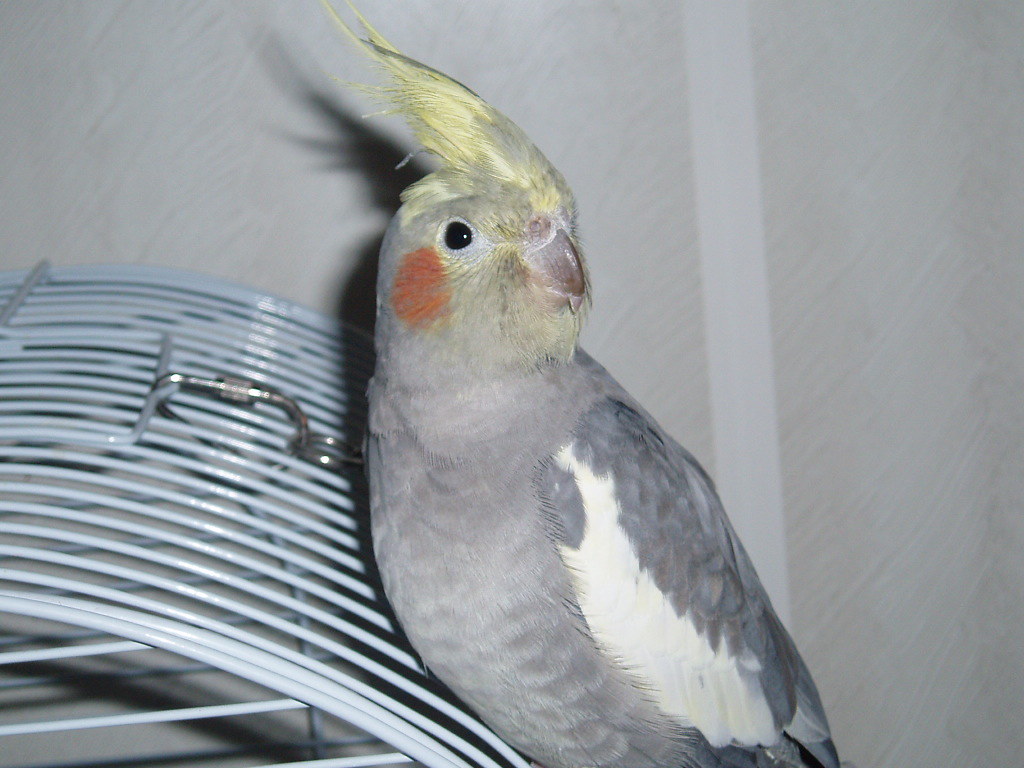
Cuddly, outgoing and comical, this popular pet bird is prized for melodic whistling—especially from males—and a tendency to snuggle on a favored shoulder. Ideal for apartment living when well socialized, these birds combine entertaining behaviors like foraging and whistling with a generally lower noise level than many parrots.
Provide a spacious cage with multiple perches, toys and room to flap, a balanced pellet-based diet supplemented with fresh vegetables and limited seed, plus daily social interaction and supervised out-of-cage time. Monitor crest position for mood cues, use a night light if night-fright episodes occur, and seek avian veterinary care for persistent sneezing, abnormal discharge, chronic egg-laying in females or signs of malnutrition or fatty liver disease.
At a Glance
Compact, social parrots native to the semi-arid regions of Australia, cockatiels are popular companion birds known for melodic whistling and a friendly, cuddly demeanor.
They require daily interaction, a balanced pellet-based diet with fresh vegetables and seed treats, and a spacious cage with multiple perches and toys.
| Species type | Small cockatoid parrot (Nymphicus hollandicus) |
|---|---|
| Adult size | 12–14 in (30–35 cm), 80–120 g |
| Colors | Gray, yellow (lutino), pearl, pied, whiteface, albino |
| Lifespan | 10–25+ years |
| Temperament | Cuddly, outgoing, social |
| Vocality | Moderate |
| Diet type | Pellet-based |
| Cage size | Minimum 24 x 18 x 24 in (61 x 46 x 61 cm) |
| Social needs | Pairs Recommended, benefits from daily interaction |
| Care difficulty | Intermediate |
| Beginner friendly | Yes, with research |
Quick Overview
Small, social parrots well suited to owners who can provide daily interaction, supervised out-of-cage time and environmental enrichment; they adapt to apartment living when well socialized. Their appeal includes playful foraging, cheeky personalities and a tendency to bond with a favored person.
Known for melodic whistling and personable social behavior, cockatiels respond well to consistent handling and enrichment. Owners should plan for a balanced pellet-based diet with fresh vegetables and limited seed treats, a spacious cage with multiple perches and toys, and awareness of female-specific risks like chronic egg-laying, as well as general health concerns such as sneezing, molting and potential nutritional deficiencies from an all-seed diet.
Housing & Environment
A cockatiel’s cage should be spacious enough for multiple perches, toys and food bowls and provide room to flap without striking the sides. A cage with a large front door makes handling and returning a flighty bird easier; choose secure locks and bar spacing appropriate for small parrots to prevent escape or injury.
A stimulating, varied and safe environment is essential to a cockatiel’s physical and mental wellbeing. Provide a variety of perches in different diameters and materials placed so birds can move between them without fouling food or water; include chewable and destructible toys (paper, cardboard, soft wood, non-toxic rawhide), fiddly hard-plastic elements and foraging opportunities such as scattered treats or millet on the cage floor. Rotate toys regularly and allow daily supervised out-of-cage time while protecting the bird from household hazards and other pets.
Position the cage in a room with regular family activity but away from drafts, kitchen fumes and direct, prolonged sun; avoid abrupt temperature swings and other environmental stressors. Consider a low night light if the bird experiences night-fright episodes so it can find its perch, and keep the overall setup clean and free of airborne irritants.
Feeding & Diet
Cockatiels do best on a pellet-based diet supplemented with fresh vegetables and a limited amount of seed; pellets provide a balanced nutritional foundation while seed-heavy rations can lead to deficiencies. The common seeds vs. pellets debate favors pellets for long-term health, with seed used for enrichment and occasional treats.
Dietary variety helps prevent nutrient deficiencies and reduces the risk of fatty liver disease.
- Main food items
- Commercial pellets (balanced; e.g., Lafeber Premium Daily Diet)
- High-quality seed mix as a limited component
- Fresh foods
- Fresh vegetables (leafy greens, mixed veggies)
- Occasional fruits
- Feeding frequency
- Pellets available daily as staple
- Fresh vegetables offered daily
- Seeds given sparingly as treats and foraging rewards
- Fresh water provided daily
- Foods to strictly avoid
- Avocado
- Chocolate, caffeine, alcohol
- High-salt, high-fat or heavily seasoned human foods
- Supplementation
- Calcium source for females (cuttlebone or calcium-fortified base diet)
- Vitamin/mineral supplement if diet is predominantly seed-based
Social Needs & Behavior
Cockatiels are social birds that do well as single pets when given regular daily interaction, though many benefit from a companion or living in pairs to meet more constant social needs. They bond readily with favored people, often enjoying cheek petting and shoulder perching, and may give contact calls when separated from their person.
Expect to provide daily, predictable interaction and supervised out-of-cage time to satisfy a cockatiel’s social and mental needs. Vocal output is generally moderate—more whistling and chirping than screeching—with males typically the more musical whistlers and some individuals learning a few words; noise level is usually suitable for apartment living when birds are well socialized.
Watch for signs of boredom or stress such as persistent screaming, increased feather chewing or plucking, repeated night-fright episodes, flattened or tightly held crests with hissing, or excessive egg-laying in females seeking nesting sites. Offer a mix of foraging opportunities, chewable toys and consistent routines to reduce behavioral problems, and remember individual needs vary from relatively independent birds to those that require near-constant companionship.
Health & Lifespan
A well-cared-for cockatiel can live for more than 20 years.
Locate an avian veterinarian before acquiring a bird and arrange routine annual checkups; maintain a clean cage, provide a balanced diet, and minimize exposure to airborne toxins such as non-stick cookware fumes, aerosol air fresheners and scented candles. Promptly address persistent sneezing, abnormal discharge or changes in appetite or behavior with an avian specialist.
- Respiratory irritation and persistent sneezing or abnormal discharge
- Chronic egg-laying and egg binding (female-specific)
- Nutritional deficiencies from an all-seed diet
- Fatty liver disease
Avian-specialist veterinary care is valuable for early detection and appropriate treatment of conditions common in cockatiels.
Pros & Cons (Honest)
- Affectionate and often enjoys shoulder-snuggling
- Melodic whistlers—especially males—provide companionship
- Generally lower-volume vocalizations suitable for apartments
- Relatively affordable and widely available due to easy breeding
- Can live 20+ years with proper care
- Require daily social interaction and supervised out-of-cage time
- Females at risk of chronic egg-laying and egg-binding
- Seed-heavy diets can cause malnutrition and fatty liver
- May experience night-fright episodes and be flighty
- Need regular avian veterinary care and avoidance of household toxins
Final Considerations
Compact, social companions that suit owners who can provide daily interaction, supervised out-of-cage time and consistent enrichment; well-suited to apartment dwellers who appreciate melodic whistling and affectionate behavior. Best for owners who can commit to regular social time, enrichment and a balanced diet.
Those seeking a very low-maintenance pet, or who cannot commit to routine handling, cleaning and veterinary care, should evaluate other options; individual birds vary in independence and noise. Not a fit for people wanting a nearly maintenance-free companion.