
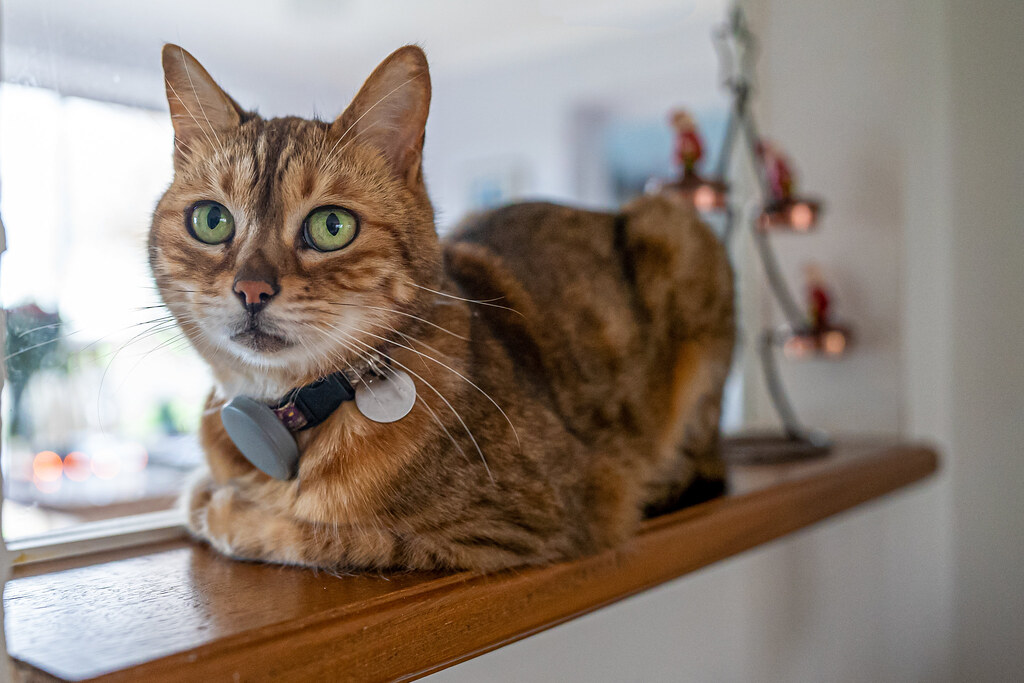
Renowned for a pelt-like coat patterned with dramatic rosettes or bold marbling and a heavily muscled, athletic build, this cat pairs a wild appearance with a domestic temperament. Inquisitive, playful and affectionate, these companions are spirited explorers who often seek high perches, enjoy interactive play and — for many individuals — will even investigate water.
Typical owners should provide ample vertical space, daily enrichment and consistent play to meet high activity needs; a high-quality, protein-rich diet, routine health screening (including heart and retinal testing) and regular nail trims support long-term wellbeing. Shorthaired individuals require minimal brushing while longhaired types need daily combing. As with any cat, individual variation is broad—meet the cat and review health history with the breeder or shelter to ensure a good match.
At a Glance
Bengal is a domestic breed created by crossing house cats with the Asian Leopard Cat to combine a striking wild-style coat with a social domestic temperament. Athletic, curious and interactive, Bengals commonly seek climbing spaces and enjoy high-energy play.
| Origin | Cross of domestic cats and the Asian Leopard Cat; modern development led by Jean S. Mill |
|---|---|
| Size | Medium to large |
| Weight |
|
| Lifespan | 12 to 20 years |
| Coat length | Short |
| Colors | Brown Tabby, Silver Tabby, Seal Lynx Point, Seal Sepia Tabby, Seal Mink Tabby, Spotted, Marble, Charcoal Spotted, Charcoal Marble |
| Temperament |
|
| Energy level | High — very active, needs vertical space and interactive play |
| Vocality | Medium — variable, some vocal |
| Shedding | Low, seasonal increase in spring |
| Grooming needs | Medium — shorthair minimal brushing, longhair daily combing |
| Good with children | Often good with children, depends on temperament and socialization |
Quick Overview
Known for a pelt-like coat of rosettes or bold marbling and a strongly muscled, athletic frame, the Bengal pairs an arresting wild appearance with a domestic, people-oriented nature. They tend to be lively, inquisitive and often seek vertical space and interactive play.
Curious, highly active and affectionate, Bengals excel in homes that offer play, challenge and companionship. Prospective owners should plan for daily enrichment, climbing opportunities and consistent play; shorthaired individuals typically need only light brushing while longhaired types benefit from daily combing. Review health history and recommended screenings and choose a protein-focused diet to support an active, muscular body.
Temperament & Personality
Bengals are lively, inquisitive and richly interactive cats that enjoy exploration, climbing and games that mimic hunting. Affectionate and devoted, Bengals often give cuddles on their terms and may prefer active play to prolonged lap time. They frequently seek the company of their people and do well with predictable interaction and toys that move unpredictably; proper introductions help them coexist with other pets and children.
These cats tend to be confident and curious rather than shy, with many showing bold problem-solving and a willingness to investigate new sights and sounds. Most Bengals are confident and curious, approaching new people and environments with investigation rather than immediate retreat. Individual sensitivity varies, so consistent socialization, respectful handling and enrichment reduce stress and help shy individuals become more comfortable around strangers.
Family Life: Kids, Cats & Other Pets
Bengals often do well with children who understand how to handle a spirited, active cat; they can be playful and engaging companions but may become overstimulated by rough or unpredictable handling. Energetic and playful, Bengals can be excellent companions for active, respectful children when properly socialized and supervised. Supervision, teaching gentle handling and providing the cat with escape routes and high perches helps prevent stress for both child and cat.
With other cats and dogs, Bengals can coexist successfully when introductions are gradual and both species have separate resources and safe spaces; early socialization improves the odds of harmony. They often accept other household pets when introductions are gradual and resources are not contested. Exercise caution with small animals and birds due to predatory instincts; secure housing and careful supervision are prudent when a Bengal shares a home with small prey species.
Activity, Play & Enrichment
Bengals are energetic, curious cats whose play style often mimics hunting: they like to stalk, chase, pounce and climb while investigating moving or unpredictable toys. Many enjoy water and will seek out high vantage points, so enrichment that combines movement, vertical access and novelty suits their instincts.
- Interactive wand and teaser toys that imitate prey movement
- Puzzle feeders and food-dispensing toys to encourage foraging
- Tall cat trees, wall shelves and secure window perches for climbing and surveying
- Rotating selection of toys including motorized or unpredictable toys
- Scent and hide-and-seek games using treats or scent trails
- Supervised water play or shallow-wet toys for individuals that enjoy water
Mental and physical stimulation help indoor Bengals channel natural hunting instincts into positive outlets and reduce boredom.
Training can be a useful part of enrichment.
- Clicker training for simple tricks and recall
- Name recognition using treats and short, regular sessions
- Target training to shape behaviors and provide focused mental work
Grooming, Shedding & Coat Care
Coat care needs vary by coat type: most Bengals have a short, dense, pelt-like coat that lies close to the body while longhair variants exist and need more attention. Shorthaired Bengals typically shed little but commonly moult a heavier winter coat in the spring.
| Coat type | Short, with longhair variety |
|---|---|
| Shedding level | Low, seasonal increase in spring |
| Grooming frequency |
|
| Bathing | Not stated |
| Nail trimming | Monthly |
| Ear care | Not stated |
| Teeth brushing |
|
| Matting risk |
|
Health & Lifespan
Life expectancy for Bengals is 12 to 20 years depending on many factors including environment and nutrition.
Responsible care includes regular veterinary checkups and preventive care, keeping vaccinations and parasite control up to date, spaying or neutering, routine dental care and maintaining a healthy weight through a balanced, protein-focused diet and regular activity. Monitor behavior, appetite and litter-box habits and seek veterinary advice for changes.
- Hypertrophic Cardiomyopathy (HCM)
- Progressive Retinal Atrophy (PRA)
- PK-deficiency (Erythrocyte Pyruvate Kinase Deficiency)
Choose a responsible breeder who screens for known conditions or adopt from a shelter to support a cat in need of a good home.
Feeding & Nutrition
Bengals do best on a high-quality, protein-focused diet that reflects their obligate carnivore needs and supports their muscular build and activity. Wet food can help increase daily moisture intake because many cats have a low natural thirst drive; provide fresh, clean water daily and consider a filtered fountain if your cat prefers running water. Consistent access to fresh water and a high-quality, protein-rich diet are important for long-term health. A simple tip: place the water bowl at least three feet away from food to encourage drinking.
Avoid free-feeding adult Bengals when possible and offer measured portions or scheduled meals to help manage weight, especially for indoor or altered cats that can be prone to excess weight gain. Treats and extras should be limited and factored into the daily food allowance. Some Bengal owners use raw or freeze-dried raw diets; these can suit the breed but require careful handling and balanced formulation. Individual needs vary, so adjust portion sizes and feeding frequency based on body condition, activity level and veterinary guidance.
Pros & Cons (Honest)
- Striking, wild-looking coat with dramatic rosettes or marbling
- Playful, inquisitive and affectionate when socialized
- Muscular, athletic build suited to active homes
- Shorthaired types shed little; longhair variety available
- Often trainable and enjoys interactive play and water
- High activity level; needs daily enrichment and vertical space
- Can become bored or overstimulated without sufficient outlets
- Not ideal for owners who prefer a sedentary, floor-only cat
- Breed-linked health risks exist including HCM, PRA and PK-deficiency
- May pose a risk to small pets due to strong prey drive
Finding the Right Home
Active, engaged households that can provide climbing space, interactive play and consistent enrichment tend to suit Bengal well. Best for owners or families who enjoy hands-on play, vertical space and a lively, curious companion.
Individuals who prefer low-energy, lap-only cats or who cannot supervise interactions with small pets should consider alternatives. Not ideal for owners seeking a sedentary, low-maintenance companion or homes with unprotected small animals.